The Inner World of the Creator: Crafting Meaning and Identity
Golden Hook & Introduction
SECTION
Nova: We often hear "follow your passion," but what if the most vital part of creation isn't the passion itself, but the messy, frustrating, often painful struggle that comes the initial spark?
Atlas: Whoa, that's a bold statement right out of the gate. For anyone meticulously piecing together historical narratives or dissecting geopolitical shifts, that initial spark of curiosity is everything. So, you're saying the real work, the real meaning, lies in the grind?
Nova: Exactly, Atlas. Today, we're diving into what we’ve termed 'The Inner World of the Creator: Crafting Meaning and Identity.' This isn't about some airy-fairy artistic endeavor. It's about the profound, often hidden, emotional journey of bringing idea to life, from a novel to a complex analytical framework.
Atlas: That makes me wonder about the intellectual rigor our listeners apply to their work. Whether it’s understanding power dynamics or post-war reconstruction, there’s immense pressure to deliver clarity and factual understanding. Is that where this 'inner world' comes into play?
Nova: Absolutely. It’s a space where intellectual curiosity meets a very human struggle. And understanding that universal nature can be incredibly liberating for anyone who dares to create something new, no matter how analytical or data-driven that creation might be.
Deep Dive into Core Topic 1: The Universal Creative Struggle
SECTION
Atlas: So, let's unpack this 'struggle.' You're talking about more than just a challenging problem to solve, right? What exactly is this 'resonance' you mention, and why is acknowledging it so important for someone who needs to consistently deliver rigorous analysis?
Nova: It’s the feeling of weight. The blank page, the unfulfilled vision, the expectation – internal or external. It’s that moment a historian faces an archive full of conflicting accounts, or an analyst stares at a dataset that refuses to yield its secrets. That feeling of struggle is a shared human experience, a vital part of the creative process.
Atlas: But why is acknowledging it so important? For our listeners, who are driven by clarity and intellectual rigor, isn't dwelling on 'feelings' a distraction from the actual work? Someone building a comparative political system needs to focus on methodology, not their inner angst.
Nova: It's about understanding the human element that underpins creation, even highly intellectual ones. Suppressing that emotional reality doesn't make it go away; it often leads to burnout, creative blocks, or even intellectual paralysis. Think of a researcher hitting a wall, feeling like they're failing, when in reality, they're just experiencing a universal phase of deep work. Acknowledging it is the first step to moving forward, not a detour.
Atlas: I guess that makes sense. The pursuit of clarity often emerges wrestling with immense complexity, not by magically bypassing it. It's like the intellectual equivalent of a blacksmith forging steel – the struggle is part of the process that refines the final product.
Deep Dive into Core Topic 2: Validation and Perseverance Through Shared Experience
SECTION
Nova: Speaking of wrestling with complexity, it often feels like we're alone in that arena, doesn't it? But what if we told you even the titans of literature face the same demons, and their raw honesty can be incredibly validating?
Atlas: That’s actually really inspiring. I imagine a lot of our listeners, who are constantly pushing the boundaries of understanding, might feel a deep isolation in their intellectual pursuits. How do these literary figures connect with that?
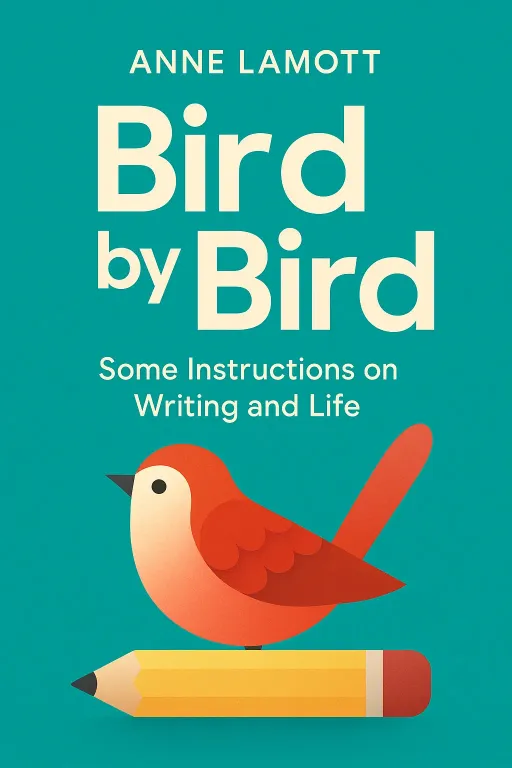
Nova: Take Anne Lamott’s "Bird by Bird: Some Instructions on Writing and Life." She openly shares her struggles, her moments of doubt, even her 'shitty first drafts.' It’s a poignant, often humorous, look at the vulnerability and sheer perseverance required. It’s a powerful reminder that even the most celebrated writers don't just sit down and produce perfection.
Atlas: "Shitty first drafts?" For someone who values precision and factual accuracy above all else, like an analyst working on a critical report, that sounds almost… counterintuitive. How does that translate to, say, drafting a geopolitical analysis or reconstructing a post-war economy, where the stakes are so high?
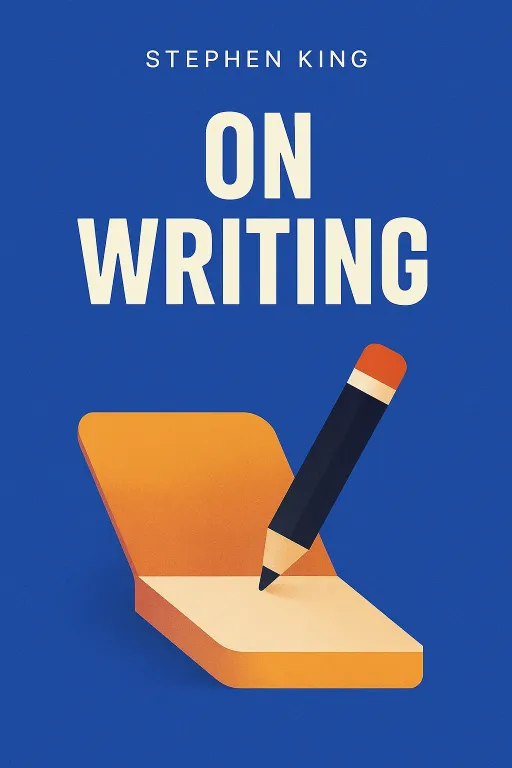
Nova: The principle is about overcoming paralysis, Atlas. It's about giving yourself permission for the initial iteration to be imperfect, knowing you’ll refine it later. It’s the intellectual equivalent of a historian allowing themselves to assemble a fragmented timeline, knowing they’ll painstakingly verify each piece later. Then, we have Stephen King’s "On Writing: A Memoir of the Craft." He demystifies the creative process, blending his life story with practical advice. He shows that consistent work and dedication are more important than pure, sporadic talent.
Atlas: So it's less about raw talent and more about the sheer, consistent grind? That resonates with the idea of dedicating specific time for deep, uninterrupted study each week. But how do these very personal accounts validate the emotional landscape of creation for someone who isn't a novelist, but an architect of societal understanding?
Nova: Because these personal accounts validate the emotional landscape of creation. They remind us that dedication, self-compassion, and a willingness to simply show up are key to bringing our intellectual visions to life. Whether you're crafting a novel or a robust analytical model, the internal battle for clarity and meaning is real, and it’s a shared human experience.
Synthesis & Takeaways
SECTION
Nova: So, what we've really explored today is that the inner world of the creator is far from a solitary, serene place. It's one of legitimate struggle, often filled with expectation and doubt. But it's also a place of immense resilience, validated by the open accounts of those who have walked the path before us.
Atlas: That’s a powerful reframing. For our listeners who dedicate their lives to dissecting complex systems and understanding power dynamics, this isn't just about 'being kind to yourself' in a fluffy way. It's about acknowledging the sheer intellectual and emotional effort inherent in that pursuit. It's recognizing the courage it takes to constantly seek clarity in a chaotic world.
Nova: Exactly. It's about understanding that self-compassion isn't a weakness; it's a fuel. It's what allows for sustained intellectual rigor and consistent creative output. Trusting your intellectual curiosity, as our listeners are encouraged to do, means acknowledging the full spectrum of that journey, not just the triumphant moments.
Atlas: I totally know that feeling. It's easy to beat yourself up when you're not instantly achieving perfect clarity. But perhaps the most profound insight here is that the 'struggle' itself is a sign you're engaged in meaningful work.
Nova: Indeed. Take a moment to acknowledge the effort you put into your own creative pursuits, no matter how small or intellectually rigorous they may seem. How can you be kinder to yourself in that process, knowing that even the greats grapple with the same internal resistance?
Atlas: That’s an excellent question to leave with. It shifts the perspective from a burden to a badge of honor.
Nova: This is Aibrary. Congratulations on your growth!