Stop Overthinking, Start Creating: The Guide to Mindful Expression.
Golden Hook & Introduction
SECTION
Nova: Atlas, five words to describe your relationship with creativity. Go.
Atlas: Oh, that's a good one. Elusive, intimidating, necessary, desired, blocked.
Nova: Oof. Necessary and desired, but elusive and blocked. I think a lot of our listeners can relate to that last part, especially. Today, we're diving into a guide that aims to unblock that very feeling: "Stop Overthinking, Start Creating: The Guide to Mindful Expression."
Atlas: That title alone feels like a deep breath. But there are so many books on creativity out there. What makes this particular guide stand out? Is it just another 'think positive' mantra?
Nova: Quite the opposite, actually. This guide isn't about forcing positivity; it's about validating a profound, often overlooked human need. It frames creativity not as a luxury or a talent reserved for a few, but as a spiritual path, essential for overall well-being and clarity. It’s grounded in the idea that reconnecting with that inner creative spark is fundamental to feeling whole.
Atlas: So it's less about painting a masterpiece and more about understanding why we even feel that pull to create in the first place? That resonates with the idea of cultivating well-being, like a lot of our listeners who are natural orchestrators, always seeing the big picture and caring deeply, might feel. They're often trying to cultivate well-being for others, but perhaps neglect their own.
Nova: Exactly. And that naturally leads us into our first deep dive today: understanding and reconnecting with that inner creative spark.
Reconnecting with Your Inner Creative Spark
SECTION
Nova: So many of us feel this quiet yearning for personal expression, don't we? Life's demands, the endless to-do lists, the responsibilities—they just pile up. And before you know it, that joy of making something, just for yourself, gets buried under the weight of everything else. It’s not just a hobby we've forgotten; it’s a deep, primal need for self-expression.
Atlas: I know that feeling. It’s like there’s this little voice saying, "Hey, remember that thing you loved to do?" but then the louder voice of "You have emails to answer!" just drowns it out. For someone who's always optimizing and grounded in practicalities, creativity can easily get relegated to the 'nice-to-have' category, not the 'must-have.'
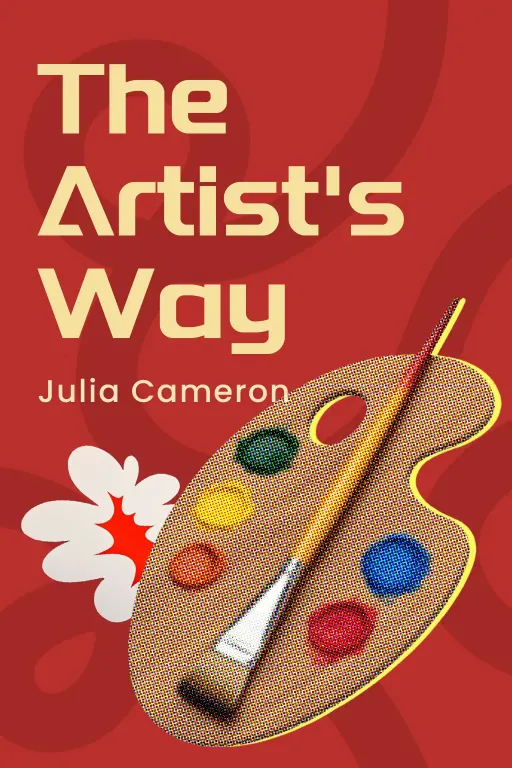
Nova: And that’s precisely what this guide challenges. It brings in insights from authors like Julia Cameron, from her seminal work "The Artist's Way." Cameron doesn't just suggest creativity; she shows us that it is, in fact, a spiritual path. She argues that our creative impulses are divine in origin and that neglecting them leads to a kind of spiritual malaise, a disconnect from our authentic selves.
Atlas: A spiritual path? That's a powerful way to put it. I imagine a lot of our listeners, who are nurturers by nature, constantly orchestrating and caring for others, might feel this disconnect acutely. They're so focused on harmony and growth for everyone else, their own inner world can become neglected. So, this isn't just about 'finding time' to draw; it's about reclaiming a part of your soul.
Nova: Precisely. Imagine someone we'll call Sarah. Sarah is a classic nurturer. Her days are a whirlwind of caring for her family, managing community projects, and ensuring everyone around her thrives. She's brilliant at seeing the big picture for others, but her own canvas has been blank for years. She used to love painting, sketching, even just journaling, but now her entire identity is wrapped up in her care-giving roles.
Atlas: I can picture Sarah perfectly. She probably feels a quiet sense of depletion, a vague dissatisfaction, even though outwardly everything is 'fine.' She's an optimizer, so she tries to optimize her care, but she's missing the care for herself.
Nova: Exactly. The guide helps Sarah realize that her quiet yearning isn't selfish; it's a signal. It’s her inner self calling out. By validating that need, by understanding that her creativity isn't a frivolous luxury but a vital component of her overall well-being, she starts to give herself permission. It’s the first step to healing that disconnect. It’s about understanding that her insights, her intuitive wisdom, are valuable, and her creative expression is a way to access and honor them.
Atlas: That’s actually really inspiring. So it's not just about what you create, but the act of creating itself that nourishes you. It sounds like a mindset shift, moving from 'I should be productive' to 'I need to be expressive.'
Practical Pathways to Creative Flow & Inspiration
SECTION
Atlas: Okay, I feel that yearning. I understand that it's a deep need. But now comes the big question for many of us who are seekers and optimizers: how do we actually? My mind is often full of planning, problem-solving, and trying to connect the dots. How do I clear that mental clutter enough to even hear that creative spark?
Nova: That's where the practical pathways come in, and Julia Cameron offers an incredible, almost deceptively simple tool: 'Morning Pages.' It’s a foundational practice in "The Artist's Way." The idea is simple: every morning, before you do anything else, you write three pages of longhand, stream-of-consciousness. No judgment, no editing, no rereading. Just flow.
Atlas: Hold on, no judgment, no editing, just flow? What if I write nothing? Or just complain about my to-do list? That sounds a bit too unstructured for someone who likes clear outcomes. Wouldn't that just be… journaling?
Nova: It's more than journaling, because the rule is. You just keep the pen moving. Cameron calls it "spiritual windshield wipers." It's not about producing good writing; it's about clearing out the mental junk, the anxieties, the worries, the unfinished thoughts, the creative blocks. It’s a direct line to hear your inner voice, to connect with that intuitive wisdom our listeners, as nurturers and seekers, inherently possess. It’s a way to trust those insights.
Atlas: So it's less about the content and more about the process of emptying the mental cache. That makes sense from an optimization perspective too – you can't run new programs if your hard drive is full of old data. So that’s about clearing the internal space. What about inviting the inspiration?
Nova: That’s where Elizabeth Gilbert's "Big Magic" comes in, offering a beautiful, almost whimsical counterpoint. Gilbert argues that creative ideas are living entities. They float around, seeking human collaborators. They knock on various doors, and if one person doesn't answer, they move on to the next. She encourages us to act on inspiration without fear, to say "yes" when an idea comes knocking, and to trust that it chose.
Atlas: Ideas are living entities? That sounds a bit out there for a grounded approach. Is she suggesting we just wait for the muse to strike, and if it doesn't, shrug and say, "Oh well, it went to someone else"?
Nova: Not at all! It’s about cultivating a mindset of openness and readiness. It shifts the pressure from "I must creativity out of myself" to "I must be when inspiration arrives." Imagine a 'Seeker' listener, constantly searching for deeper meaning, but paralyzed by the fear of not being good enough. They might have brilliant ideas, but they'll overthink them, analyze them to death, and eventually, the idea just fades away.
Atlas: I know that feeling all too well. The perfectionist trap. You want to make sure it's profound, world-changing, and then it never even gets started.
Nova: Exactly. Gilbert's perspective liberates that seeker. It's like, "Hey, this idea chose you. Just play with it, see where it goes. Don't burden it with your ego or your fears." It allows for a playful, less intimidating engagement with creativity. So, you have Cameron clearing the mental clutter to hear your inner voice, and Gilbert inspiring you to boldly engage with the ideas that seek you out. It’s a powerful one-two punch for mindful expression.
Atlas: That’s a great way to put it. So, first, make space in your mind, then, be brave enough to welcome the ideas that show up. It’s about removing the internal obstacles and then being open to the external flow. That’s actually a very practical framework for anyone, especially those who feel blocked.
Synthesis & Takeaways
SECTION
Nova: When you combine these insights, what emerges is a powerful truth: nurturing your creative self isn't just about producing something, it's essential for overall well-being and clarity. It's about honoring that deep intuitive wisdom within you, trusting your insights, and dedicating time to that personal pursuit.
Atlas: It really reframes the whole concept of creativity from a daunting task to an essential act of self-care and self-discovery. It’s about recognizing that the 'quiet yearning' isn't a distraction, but a compass pointing you towards harmony and growth.
Nova: And the beauty is, it doesn't require grand gestures. It starts small. The guide offers a powerful healing moment: dedicate just 15 minutes to Morning Pages tomorrow. Write whatever comes to mind, no judgment, just let it flow. It’s a simple act, but it’s a profound step towards unlocking new dimensions of self.
Atlas: That's incredibly actionable. Fifteen minutes, no pressure, just flow. I know a lot of our listeners, who are natural orchestrators and optimizers, could easily integrate that into their morning routine, and it would likely make a huge difference in their overall mindset and sense of peace. It's about cultivating that inner garden.
Nova: Absolutely. It’s about giving yourself that permission, that space, that release. It truly is the guide to mindful expression.
Atlas: I'm genuinely inspired to try those Morning Pages. It sounds like a fantastic way to deepen one's sense of peace and unlock new dimensions of self. We'd love to hear from our listeners if you try the Morning Pages. What did you discover? What flowed onto the page? Share your experiences with us.
Nova: This is Aibrary. Congratulations on your growth!