

Beyond the Gym: Building a Resilient Body for Life's Demands
Golden Hook & Introduction
SECTION
Nova: Forget the gym for a second. What if your daily commute, your desk job, even your comfy couch, are silently making you weaker, stiffer, and less prepared for life's unexpected demands, no matter how much you 'work out'?
Atlas: Whoa. That's a pretty bold claim, Nova. I mean, we're told to sit less, move more, but 'silently making us weaker'? That sounds almost conspiratorial.
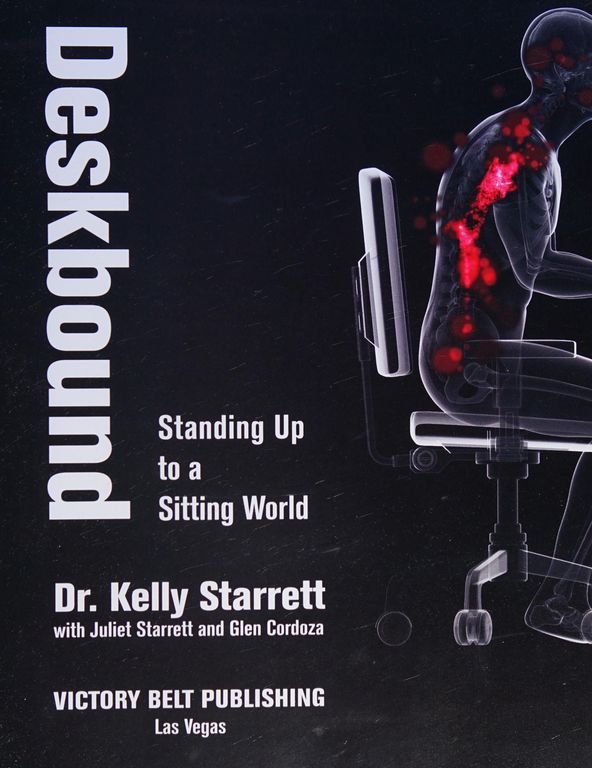
Nova: It does, doesn't it? But it's a quiet erosion, a kind of physical interest accumulating against us, and it's precisely what Dr. Kelly Starrett unpacks in his incredibly insightful books, and.
Atlas: Ah, Kelly Starrett. He's the guy who basically rewrote the manual on human movement, right? I remember hearing he really shook up the athletic world by making complex physical therapy concepts accessible to everyone.
Nova: Exactly! He's a doctor of physical therapy, but more importantly, he's a former competitive kayaker who realized the elite strategies for movement and mobility shouldn't be confined to clinics or pro athletes. He found a way to democratize that knowledge, which is genuinely powerful.
Atlas: So, he’s taking what was once complex and making it understandable and actionable. That’s something I can definitely appreciate. But let’s get into this "silent erosion" you mentioned. What exactly is this 'movement debt' you're talking about? How do we even know we're accruing it?
The Silent Erosion: Unpacking 'Movement Debt'
SECTION
Nova: That’s the critical question, Atlas. Starrett argues that our modern sedentary lifestyles are silently eroding our physical capabilities. Think of it like a bank account, but instead of money, it's movement. Every hour you spend sitting, hunched over a screen, or just not moving through your full range of motion, you’re making a withdrawal from your body’s movement reserves.
Atlas: Okay, I can see that. But I imagine a lot of our listeners, myself included, think, "Well, I hit the gym three times a week. I'm active on weekends. Surely that's enough to offset some desk time, right?"
Nova: That's a common and very dangerous misconception. Starrett calls it "movement debt." You might be active, but if you're spending eight to ten hours a day in a compromised position, those few hours of exercise might not be enough to truly counteract the cumulative effect. It's like trying to out-exercise a truly terrible diet. You might burn some calories, but the underlying damage persists.
Atlas: So basically, you're saying that even if you're hitting the gym, your body could still be accumulating these subtle, insidious issues that lead to pain and stiffness?
Nova: Precisely. Let me give you an example. We had a listener write in – let's call him David. David is an architect, highly successful, works long hours at a desk, but he's also a weekend warrior. He plays tennis, cycles, even does some light weightlifting. But for years, he's been battling chronic lower back pain and shoulder stiffness. He attributed it to "just getting older" or "pushing it too hard" on the court.
Atlas: Sounds familiar. A lot of high-achieving professionals, especially those who spend a lot of time designing or strategizing, run into that. They're mentally sharp but their bodies start to protest.
Nova: Exactly! David's problem wasn't his tennis game; it was his desk. Prolonged sitting had shortened his hip flexors, tightened his hamstrings, and rounded his shoulders forward. His muscles had effectively "adapted" to his desk posture. So, when he'd go to serve in tennis, his body couldn't access the full range of motion it needed. His lower back would compensate, leading to pain, and his shoulder would feel restricted during overhead movements.
Atlas: So the cause was the desk, the process was years of cumulative postural stress, and the outcome was chronic pain and reduced performance in the activities he loved, despite being active. That’s a really clear picture of how this "movement debt" undermines overall health and strategic endurance.
Nova: And David was losing focus at work, too, because of the discomfort. It wasn't just about athletic performance; it was about his overall quality of life and even his cognitive function. This silent erosion affects everything. It’s not about being fragile; it’s about unknowingly making yourself less resilient.
Atlas: That makes me wonder, then, for someone who's used to tackling complex problems and building solutions, how do we start to unravel this? What's the tactical approach to reverse this insidious trend?
Tactical Reversal: Starrett's Blueprint for a Resilient Body
SECTION
Nova: That's a perfect pivot, Atlas, because Kelly Starrett doesn't just diagnose the problem; he provides a comprehensive blueprint for tactical reversal. He's not just about treating symptoms; he's about optimizing the entire human movement system. His work in gives us a framework for self-care, injury prevention, and physical performance optimization.
Atlas: Okay, so this isn't just about stretching a bit more, then? I need something practical, something I can integrate into a busy schedule, not another hour-long workout.
Nova: Absolutely not just stretching. Starrett’s insights are about understanding you move the way you do and to restore natural, efficient movement. He focuses on simple, consistent interventions. Think of it like maintaining a complex machine – you wouldn't just oil it once a month and expect it to run perfectly if you're using it incorrectly every day.
Atlas: So what's a small, manageable step? My operational style is practical; I need to break down complex problems into actionable solutions.
Nova: He offers what he calls "mobility work." It's not intense exercise; it's about restoring your body's natural range of motion. For example, he highlights a simple 5-minute routine, specifically targeting hips and shoulders. These are often the biggest culprits for desk-bound individuals. Think of it as a daily physical tune-up.
Atlas: Can you give me an example of someone who's actually implemented this? Not a pro athlete, but someone like us, dealing with the daily grind.
Nova: Certainly. Let's take Sarah, a project manager who was constantly complaining about a stiff neck and tight hips. She wasn't overweight, she walked her dog every day, but the pain was persistent. After reading Starrett, she decided to try his "tiny step." Every morning, while her coffee brewed, she'd spend five minutes doing hip flexor stretches, glute mobilizations, and some shoulder internal/external rotations.
Atlas: Five minutes? That's genuinely tiny. What happened?
Nova: Within a few weeks, she noticed a remarkable difference. Her neck pain, which she thought was just a part of her life, started to subside. Her hips felt looser, and she could sit more comfortably. More surprisingly, she reported feeling more focused and less fatigued by mid-afternoon. It wasn't a magic bullet, but it was a fundamental shift in her body's operating system. The process was consistent, targeted mobility work, and the outcome was a reversal of chronic pain, enhanced daily comfort, and even improved cognitive performance.
Atlas: That's incredible. It's like she unlocked a hidden potential in her own body. So, this isn't about becoming a CrossFit champion, but about simply feeling better and performing better in everyday life?
Nova: Exactly. It's about building a resilient body for life's demands, not just the gym's demands. It’s about being able to bend down to tie your shoe without a twinge, to reach overhead without strain, to sit comfortably for hours if needed, and to still have the physical capacity for anything unexpected that life throws your way. Starrett’s work emphasizes understanding the behind your movement patterns, so you can prevent future issues, rather than constantly chasing pain. It's about structural integrity, much like an architect ensures a building can withstand stresses.
Synthesis & Takeaways
SECTION
Nova: So, what we've really explored today is this silent, creeping 'movement debt' that our modern lives are imposing on us, and how Kelly Starrett offers not just a warning, but a clear, tactical pathway to pay that debt back and build a robust, resilient physical future.
Atlas: It’s about investing in your most important asset – your body – for sustained performance and long-term impact, not just quick fixes. It's truly a strategic approach to physical well-being.
Nova: And the "tiny step" is so powerful: integrate a 5-minute mobility routine into your morning or afternoon, focusing on hips and shoulders. Just five minutes. Notice the difference in your comfort and focus.
Atlas: That connection between physical comfort and mental focus is something I think a lot of our listeners will resonate with. It’s not just about avoiding pain; it’s about enhancing your capacity to think, to create, to lead effectively. A resilient body truly underpins a resilient mind and strategic endurance.
Nova: That's the profound insight here: true physical resilience isn't just about brawn or endurance; it's about the fundamental ability to move well, to be free from pain, and to have the physical capacity to meet all of life's demands, expected and unexpected. It's the foundation for a life lived fully, beyond the gym, beyond the desk. It’s about making your body your ally, not your adversary.
Atlas: What a powerful idea. I think many of us are unknowingly fighting our own bodies, and Starrett gives us the tools to change that. I'd love to hear from our listeners: have you experienced 'movement debt'? What small steps have you taken to reclaim your physical resilience? Share your thoughts with us on social media!
Nova: This is Aibrary. Congratulations on your growth!