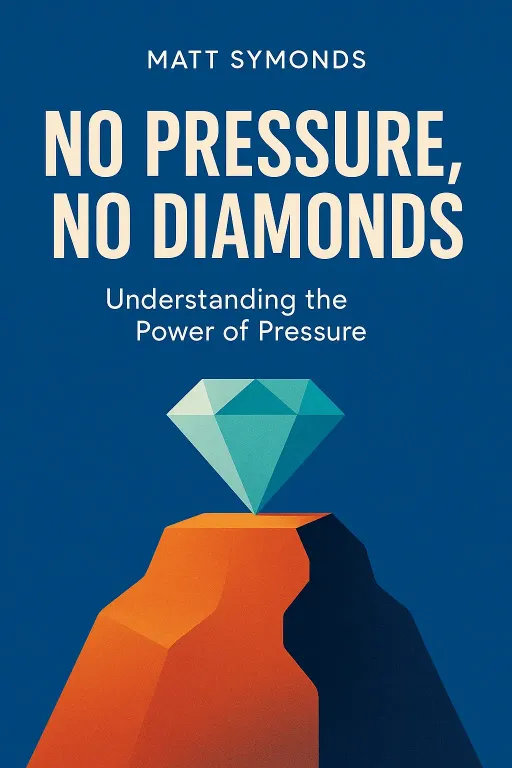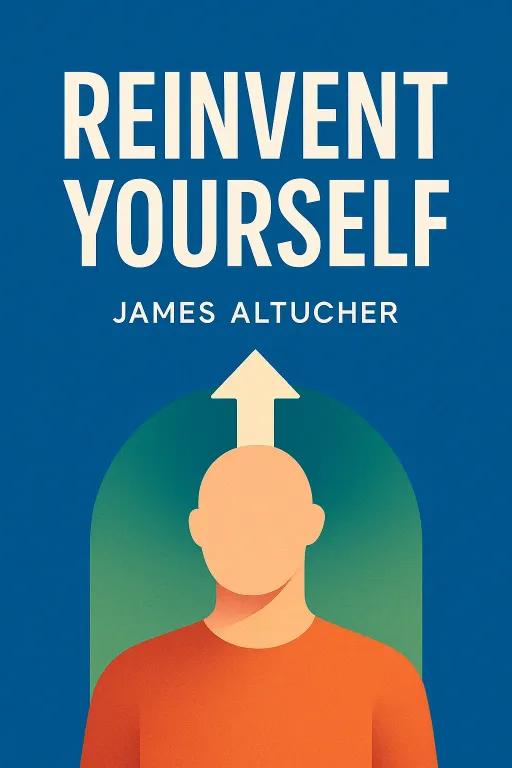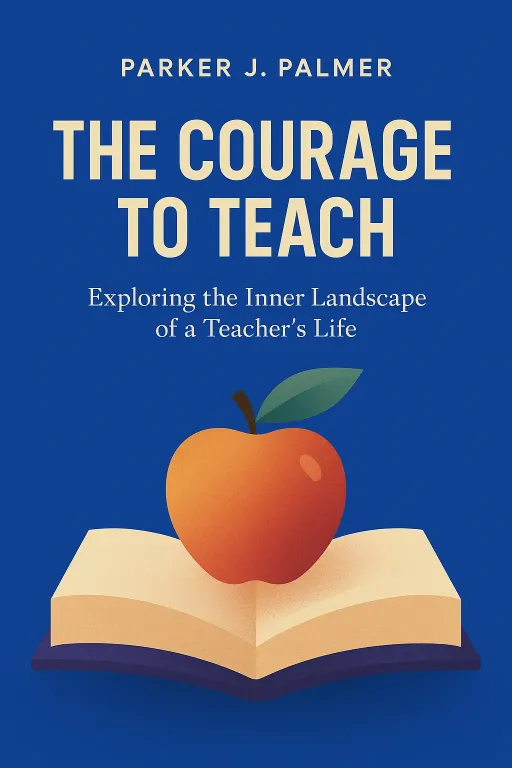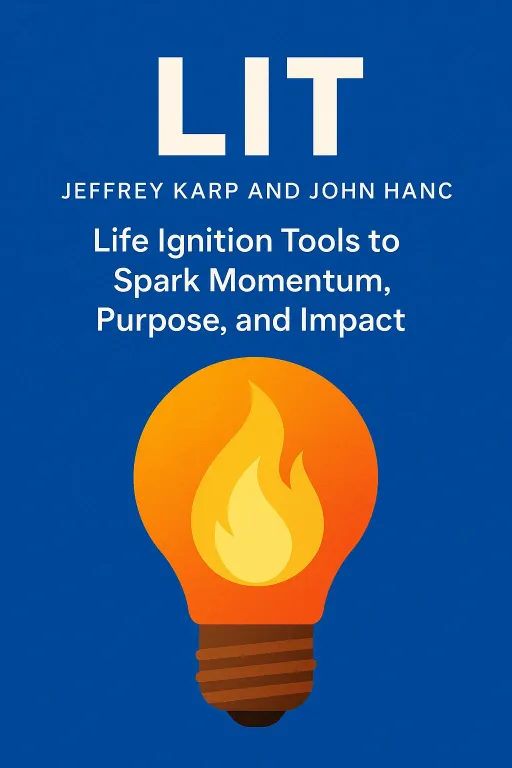
Recommended Reading for Today
Golden Hook & Introduction
SECTION
Nova: Atlas, quick question: Do you truly believe your brain is always on your side, making perfectly rational decisions, especially when the stakes are high?
Atlas: Oh man, Nova, I'd like to think so. I mean, I spend my days trying to be logical, to analyze, to foresee. But I’ve also had those moments, haven’t we all, where you scratch your head later and think, "What was I thinking?" It’s a nice ideal, pure rationality, but I suspect reality has other plans.
Nova: Absolutely, reality loves to throw a wrench in our carefully constructed logic. And that's precisely what we're diving into today—a curated journey through some essential insights that challenge our assumptions about personal growth, the future of technology, and the very nature of human decision-making. We're talking about profound insights that are, frankly, indispensable for any strategic analyst, ethical innovator, or continuous learner out there.
Atlas: Oh, I like that. So, we’re unpacking the invisible forces that shape our world and our choices? Sounds like a good day for some intellectual heavy lifting. What’s first on our reading list, so to speak?
Nova: Today, we’re exploring three crucial areas. First, we’re going to unravel the fascinating world of behavioral economics and the hidden levers of our choices. Then, we’ll pivot to the critical importance of ethical AI in shaping a responsible future. And finally, we’ll focus on mastering strategic foresight to anticipate tomorrow's shifts today. It’s all about understanding these underlying currents to make more informed, impactful decisions.
Atlas: That sounds like a powerful toolkit for navigating complexity. Tell me more about this behavioral economics.
Unpacking Behavioral Economics: The Hidden Drivers of Human Decisions
SECTION
Nova: Well, behavioral economics is truly eye-opening because it marries psychology with economics, showing us that humans aren't the perfectly rational agents traditional economics assumed us to be. We're prone to biases, shortcuts, and emotional influences that often lead us down surprisingly irrational paths.
Atlas: So, you're saying even the most data-driven strategists, the ones who pride themselves on objectivity, can be swayed by how a problem is presented? That feels a bit… unsettling.
Nova: It absolutely can be unsettling, but it's also incredibly powerful knowledge. Take the "framing effect," for example. Imagine you're a strategic leader, and you have a critical decision about a new product launch.
Atlas: Okay, I’m in the boardroom. High stakes, millions on the line.
Nova: Exactly. Now, picture this: one team presents the product's potential outcome by saying, "This product has a 70% chance of success." Sounds pretty good, right? Most leaders would lean towards launching it.
Atlas: I mean, 70% is a solid B. I’d probably greenlight that.
Nova: Now, what if another team presents the exact same data, but frames it differently: "This product carries a 30% risk of failure." Same numbers, same reality, but the framing has shifted from gain to loss.
Atlas: Huh. That makes me pause. A 30% risk of failure sounds a lot scarier than a 70% chance of success, even though they’re mathematically identical. I’d suddenly be asking a lot more questions, looking for contingencies.
Nova: Exactly! The cause here is how the information is —either positively as a gain or negatively as a loss. The process is a psychological one: our brains are wired to be more sensitive to potential losses than to equivalent gains. This is called loss aversion. The outcome is a dramatically different decision, often leading to more cautious, risk-averse choices when faced with the 'loss' frame, even when the underlying odds haven't changed.
Atlas: That’s fascinating, but also a bit terrifying. How do we even begin to counteract that in high-stakes negotiations, or when we’re evaluating a new market entry? It feels like our own minds are working against us.
Nova: It’s not that our minds are working against us, it’s that they’re using efficient, but sometimes flawed, shortcuts. The key is awareness. For someone in a strategic role, understanding the framing effect means actively challenging how information is presented to you. It means asking, "How else could we frame this data? What if we looked at the potential downside first, then the upside?"
Atlas: So, intentionally reframing the problem. Like a strategic mental exercise.
Nova: Precisely. And for ethical innovators, it’s about recognizing how your own communication might inadvertently bias others. Are you framing success in a way that downplays risks, or are you presenting a balanced picture? It cultivates a kind of meta-cognition, thinking about how you’re thinking.
Atlas: I can see how that would lead to much more robust decision-making. That makes me wonder, though, speaking of hidden influences, Nova, that brings us squarely to the next big area of insight for our ethical innovators: navigating the complexities of ethical AI.
Navigating Ethical AI: Innovation with Integrity
SECTION
Nova: Absolutely. Because if our human minds are prone to bias, imagine what happens when we build systems that learn from biased data. This is where ethical AI becomes absolutely critical. We're moving into an era where AI isn't just a tool; it's becoming an almost invisible layer in our society, making decisions that affect everything from loan applications to hiring, even healthcare diagnoses.
Atlas: Oh man, that’s actually really inspiring, but also a huge responsibility. How do we ensure that our pursuit of innovation doesn't inadvertently create new forms of systemic injustice? For companies striving for ethical leadership, what are the practical steps to audit and mitigate these biases in their AI systems?
Nova: That’s the million-dollar question, Atlas. A prime example is what’s known as. Imagine a large corporation decides to implement an AI-powered hiring tool to streamline its recruitment process. Sounds efficient, right?
Atlas: On the surface, yes. Faster, potentially less human error.
Nova: But here's the catch: the AI is trained on historical hiring data. Let’s say, for decades, that company predominantly hired men for leadership roles, perhaps due to unconscious human biases within past hiring managers.
Atlas: So the data reflects that historical bias.
Nova: Exactly. The cause of the bias in the AI is the biased training data—it unknowingly learns to associate certain demographic patterns with "successful" candidates. The process is: the AI, in its pursuit of efficiency, identifies these historical correlations and begins to deprioritize resumes from women or certain minority groups, even if they are equally or more qualified. The outcome is an AI system that, despite its sophisticated algorithms, perpetuates and existing societal biases, creating an unfair hiring process and reducing diversity within the company.
Atlas: That’s a powerful, and frankly, disturbing example. It's not malicious, but the impact is still deeply unfair. So, for ethical innovators, how do you even begin to untangle that? It feels like you’re fighting against the very data you have.
Nova: It requires a multi-pronged approach. First, it means scrutinizing your training data with an ethical lens. Are you actively seeking diverse datasets? Are you identifying and correcting for historical imbalances? Second, it means building diverse teams to develop AI, because different perspectives can spot biases others might miss. Third, it involves implementing transparent algorithms where possible, so you can actually understand the AI is making certain decisions, rather than it being a black box.
Atlas: So, it’s not just about the code, it’s about the entire ecosystem around the AI: the data, the people building it, and the ongoing oversight. It’s about integrity woven into the innovation process itself.
Nova: Precisely. It’s a continuous learning curve, much like the journey of our listeners. It’s about moving beyond simply asking "Can we build this?" to also ask "Should we build this, and how can we build it responsibly?" And as we aim to build ethical AI that serves humanity, Atlas, we're inherently looking ahead, which brings us to our third crucial area of insight: mastering strategic foresight.
Mastering Strategic Foresight: Anticipating Tomorrow's Landscape Today
SECTION
Atlas: Ah, strategic foresight. This really resonates with the continuous learner in me. It's not just about predicting the future, is it? Because that feels impossible.
Nova: You've hit on a critical distinction. Strategic foresight isn't about crystal-ball gazing or trying to predict future. It's about systematically exploring to inform present-day decisions. It’s about building resilience and identifying opportunities in an increasingly uncertain world.
Atlas: Okay, so it’s more about preparedness than prophecy. But how does that actually work? Can you give an example of a company employing this kind of "future intelligence?"
Nova: Absolutely. Let's imagine a global tech giant, a leader in consumer electronics, facing multiple potential disruptions: rapid advancements in quantum computing, geopolitical shifts impacting global supply chains, and evolving consumer privacy expectations. Instead of just betting on one outcome, they employ.
Atlas: Scenario planning. That sounds like something out of a spy novel.
Nova: It can feel a bit like that! The cause here is the recognition of deep uncertainty and multiple potential future trajectories. The process involves identifying key drivers of change—these are the forces that could fundamentally alter their operating environment, like breakthroughs in materials science, shifts in regulatory policy, or new social movements. They then combine these drivers in different ways to build 3-5 distinct, plausible future scenarios.
Atlas: So, not "what happen," but "what happen"?
Nova: Precisely. One scenario might be "Techno-Utopia," where quantum computing unlocks incredible efficiencies and global collaboration booms. Another might be "Fragmented Digital," where geopolitical tensions lead to splintered tech ecosystems and strict data localization. The outcome is not a single forecast, but a set of rich narratives that describe vastly different future worlds. The company then stress-tests its current strategies against of these scenarios. "Will our current R&D investments still make sense in 'Fragmented Digital'? What new products would thrive in 'Techno-Utopia'? What vulnerabilities do we expose in each?"
Atlas: That’s incredibly insightful. It’s like running simulations for the future. For our listeners who are continuous learners, who want to anticipate shifts in their own careers or industries, is this just for huge corporations, or can individuals apply these foresight techniques to their personal growth?
Nova: It’s absolutely applicable to individuals, Atlas. Strategic foresight is a mindset. For a continuous learner, it means cultivating what we call "future literacy." Start by identifying the key drivers of change in your own industry or career path. Are there technological shifts, demographic changes, or evolving skill requirements that could fundamentally alter your professional landscape in the next 5-10 years?
Atlas: So, instead of just reacting to job market changes, I’m actively thinking about what skills I might need for future roles that don't even exist yet.
Nova: Exactly. You then create your own personal scenarios. "What if AI automates a significant portion of my current tasks?" or "What if a new industry emerges that leverages my unique blend of skills?" By playing out these scenarios, you can proactively identify new learning paths, develop adaptive strategies, and shape your own future rather than simply being swept along by it. It’s about building a muscle for proactive adaptation.
Synthesis & Takeaways
SECTION
Atlas: Wow, Nova, this has been an incredible journey. From understanding the hidden biases in our own brains through behavioral economics, to ensuring AI innovation is built with integrity, and then actively shaping our future through strategic foresight—it all feels so interconnected. It’s not just about reading books; it’s about a framework for informed living and leading.
Nova: It truly is. Each of these areas, taken together, provides a powerful lens for navigating a complex world. Understanding behavioral economics allows us to make clearer decisions, free from unnoticed cognitive traps. Embracing ethical AI ensures our technological advancements serve humanity, not harm it. And mastering strategic foresight empowers us to proactively shape our destinies, anticipating change rather than just reacting to it.
Atlas: So, for our listeners who are ready to dive deeper into this kind of thinking, what's one immediate, tangible action they can take to start applying these insights?
Nova: I'd say, start with self-observation. When you find yourself facing a significant decision, whether personal or professional, pause. Ask yourself: "How might this situation be framed in different ways? Am I susceptible to a gain frame, or a loss frame, and how might that be influencing my thought process?" Or, "What underlying assumptions am I bringing into this that might introduce bias?"
Atlas: That's a fantastic starting point. A little self-awareness can go a long way. And for our listeners, we'd love to hear your thoughts. What's one area from today's discussion – whether it's a hidden bias you've noticed, an ethical AI challenge you're grappling with, or a future trend you're actively anticipating – that resonated most with you? Share your insights with us!
Nova: We're always learning from your perspectives.
Atlas: This is Aibrary. Congratulations on your growth!