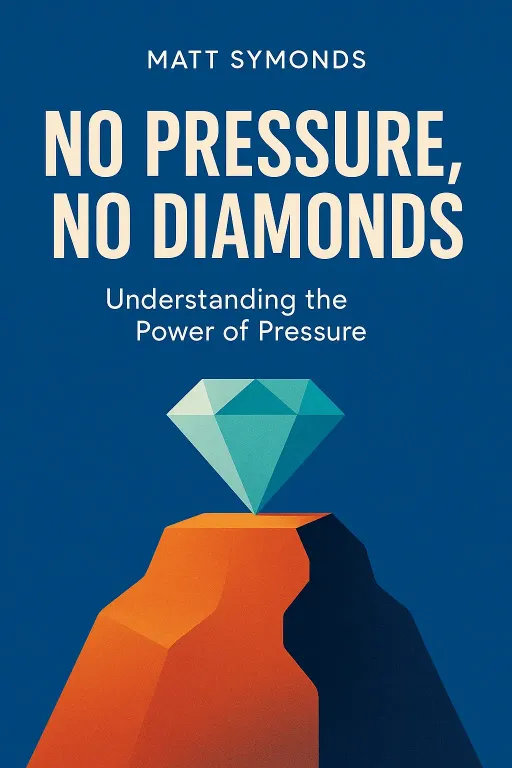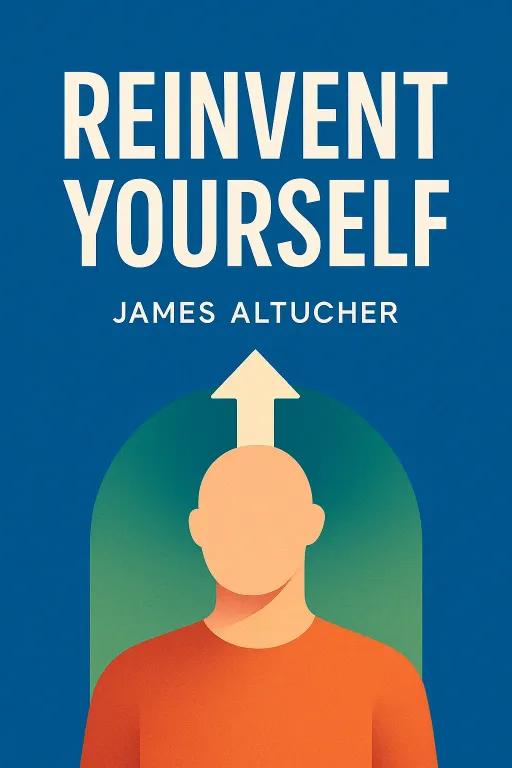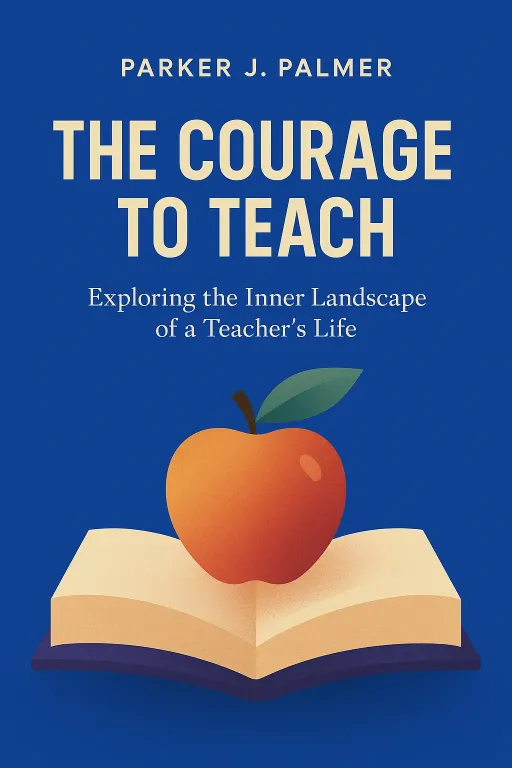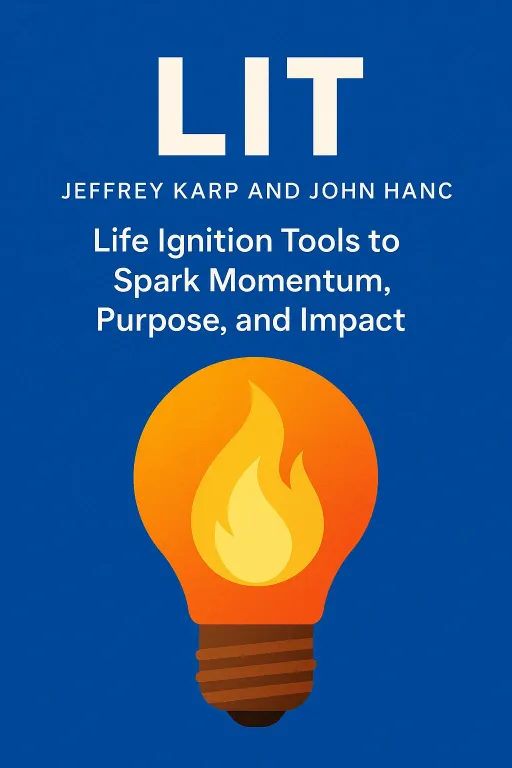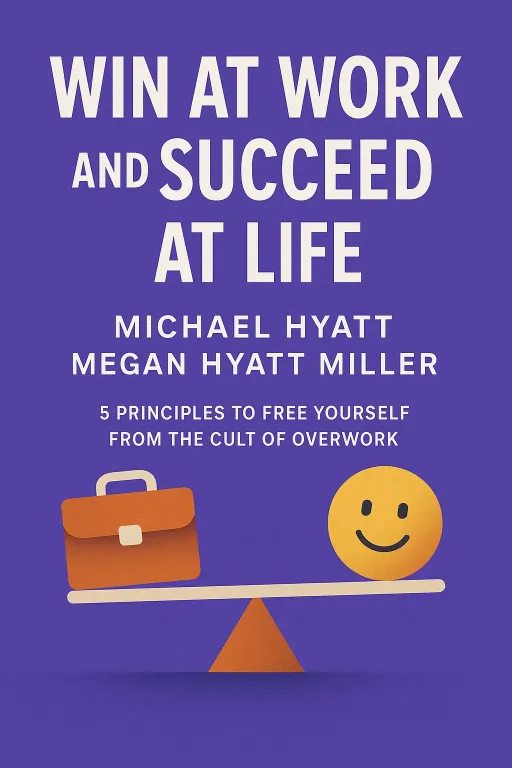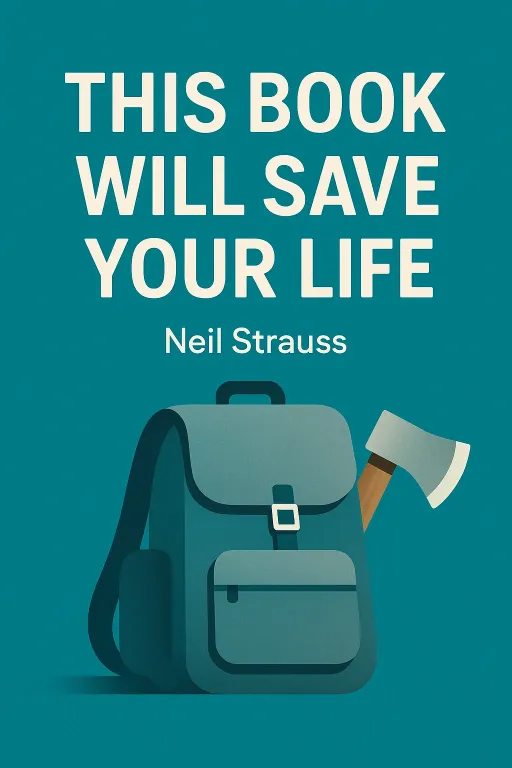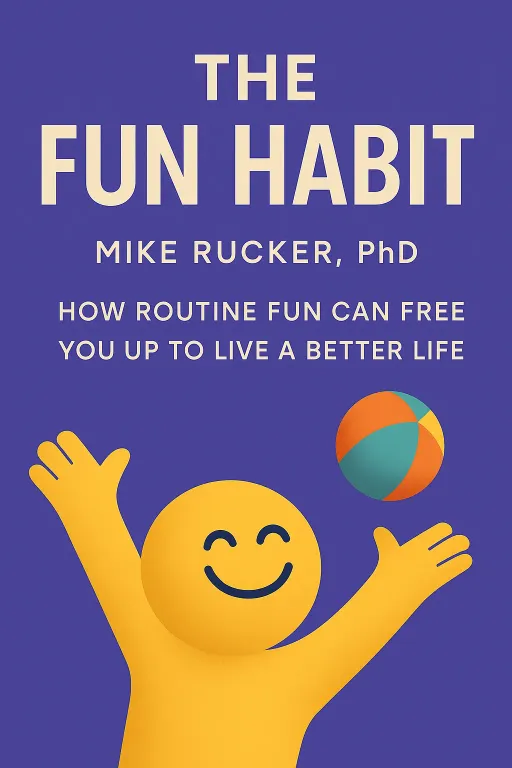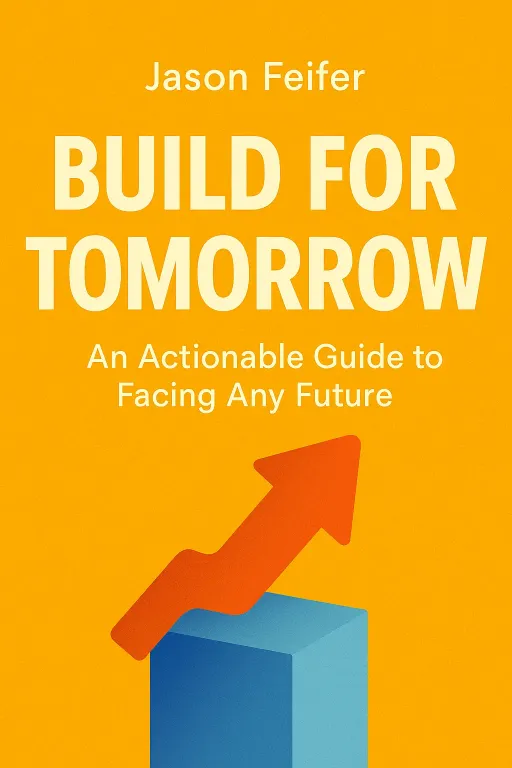
Recommended Reading for Today
Golden Hook & Introduction
SECTION
Nova: Atlas, I'm going to throw out a few words. Your brain, rapid-fire, first association: 'Growth.'
Atlas: Exponential curve!
Nova: 'Technology.'
Atlas: Double-edged sword.
Nova: 'Human Nature.'
Atlas: Predictably irrational.
Nova: Perfect! Because today, we're talking about the reading that helps you navigate all three. We're not just recommending a specific book, but a for anyone who's a strategic builder, a curious analyst, or a resilient leader. We're diving into how the right reading transforms your approach to personal growth, technology, and human nature.
Atlas: Oh, I love that. So, it's about finding the signal in the noise for founders and leaders. Not just consuming information, but building with it. What determines a "recommended" read in that context? It feels like there's so much out there.
Nova: Absolutely. And it's less about a specific title and more about how these profound insights fundamentally rewire your internal operating system. The most impactful books don't just give you answers; they reshape how you approach challenges, allowing you to see them as springboards.
Cultivating a Growth Mindset for Strategic Builders
SECTION
Nova: Many people approach reading as a checklist, hoping to find the magic bullet or the next big hack. But for a strategic builder, the true value of a recommended read lies in its power to cultivate a resilient and adaptive mindset. It's about personal growth at its deepest level.
Atlas: That sounds great in theory, but for someone in the trenches, when product-market fit feels miles away, how does reading about "mindset" actually help? Isn't it just more abstract thinking when you need concrete solutions?
Nova: That’s a crucial distinction. Mindset isn't abstract; it's the lens through which you interpret every piece of data and design every solution. Imagine a founder we know, let's call her Maya. She launched a groundbreaking SaaS product, but after six months, adoption was flat. Initial metrics were dismal. Many would see this as a dead end, a failure.
Atlas: I can imagine the stress. That's the kind of moment that can break a founder's resilience.
Nova: Exactly. But Maya had cultivated a specific way of thinking, influenced by years of intentional reading. She didn't view the low adoption as a personal failing, but as a critical data point. A book, perhaps one focusing on iterative development or lean methodologies, had fundamentally shifted her perspective. She saw the "failure" not as an endpoint, but as a hypothesis that needed refining.
Atlas: So, instead of despair, she saw a puzzle. That’s a powerful reframe. What did she do differently?
Nova: Instead of abandoning the product, she went back to basics. She used the insights from her reading to conduct rapid, focused user interviews, not to validate her initial vision, but to genuinely understand where the disconnect was. She approached it with radical curiosity, not defensiveness.
Atlas: And the outcome? Did this "mindset shift" actually save the product?
Nova: It did. She discovered her initial target audience wasn’t the true market. The product, with minor tweaks, found an entirely different, incredibly enthusiastic niche. Her ability to pivot wasn't just about market research; it was about her internal operating system allowing her to to interpret the data differently and to see her enough to adapt.
Atlas: That makes me wonder, though, what about the anxiety of leadership? The "founder resilience" aspect? Does reading truly build that grit, or is it just something you're born with?
Nova: Resilience isn't just an innate trait; it's a skill, a muscle you develop. Profound insights from books, especially those exploring human nature and psychology, build what we call 'psychological capital.' When you read about others who faced monumental setbacks and persevered, you’re not just getting a story; you’re gaining a blueprint for your own emotional fortitude. It teaches you that setbacks are part of the journey, not the end of it. It’s like having a mental sparring partner that prepares you for the inevitable blows.
Translating Insights into Action and Sustainable Impact
SECTION
Nova: And that mental compiler, Atlas, needs code to run. Which brings us to the second crucial aspect of truly recommended reading: how it doesn't just change your thinking, but actively fuels your doing. It's about translating those deep insights into concrete actions for sustainable impact.
Atlas: That’s a great example. But often, reading a great book feels inspiring for a week, then real life kicks in, and the insights just become shelf decoration. How do we ensure these "insights" don't just become another motivational quote, especially for a builder who needs to see tangible results?
Nova: That's where the "action" part comes in. The most valuable books don't just give you theories; they provide frameworks, mental models, and even specific methodologies that you can immediately apply. It’s the difference between reading a recipe and actually cooking the meal. You need to get your hands dirty.
Atlas: Can you give an example? How does a book translate into something visible, like improving team culture or solidifying product-market fit?
Nova: Absolutely. Consider a leader, let's call him Ben, who was struggling with a siloed team culture. Communication was breaking down, and innovation was stifled. He picked up a book, perhaps one that delves into the principles of psychological safety or high-performing teams. It wasn't just about 'being nice.'
Atlas: Right, like, "just tell people to communicate more." That rarely works. What did the book offer?
Nova: The book provided specific, counter-intuitive strategies. It highlighted that creating psychological safety isn't about avoiding conflict, but about fostering an environment where conflict can happen. It gave him concrete frameworks for feedback loops, for establishing clear norms around failure, and for empowering team members to speak up without fear of reprisal.
Atlas: So, it wasn't just abstract advice, but a step-by-step guide for building a better team environment. What impact did Ben see?
Nova: Ben started with small, consistent actions. He implemented a "blameless post-mortem" for project failures, openly sharing his own mistakes in team meetings. He started and publicly, even for minor breakthroughs. These weren't massive, overnight shifts, but consistent, deliberate applications of the book’s principles.
Atlas: And the result? Did his team culture actually improve?
Nova: Measurably. Within months, team surveys showed a significant increase in trust and open communication. Innovation picked up because people felt safe enough to share nascent ideas. This wasn’t just a temporary fix; it led to for his team, empowering his people and contributing directly to long-term success. It cemented the idea that strong team culture is a cornerstone of business strategy, not just a soft skill.
Synthesis & Takeaways
SECTION
Nova: So, Atlas, what we're really saying is that truly recommended reading isn't about a specific title or a trending list. It's about cultivating a strategic mindset and an actionable approach that integrates profound insights into personal growth, technology, and human nature for tangible, sustainable impact.
Atlas: I can definitely see that. It’s not just about you read, but you read it, and crucially, that truly builds resilience and drives something like product-market fit. It's about active transformation rather than passive consumption.
Nova: Exactly. It's about building an internal library of mental models and then actively applying them. The best books aren't just consumed; they become tools in your builder's toolkit, helping you refine your vision, empower your team, and sustain your journey.
Atlas: For our strategic builders and leaders out there, pick one book this week, read it with this lens, and commit to one small action from it. Celebrate that win, no matter how tiny.
Nova: Exactly. Because true growth isn't just knowing, it's doing. And that's how you build.
Nova: This is Aibrary. Congratulations on your growth!