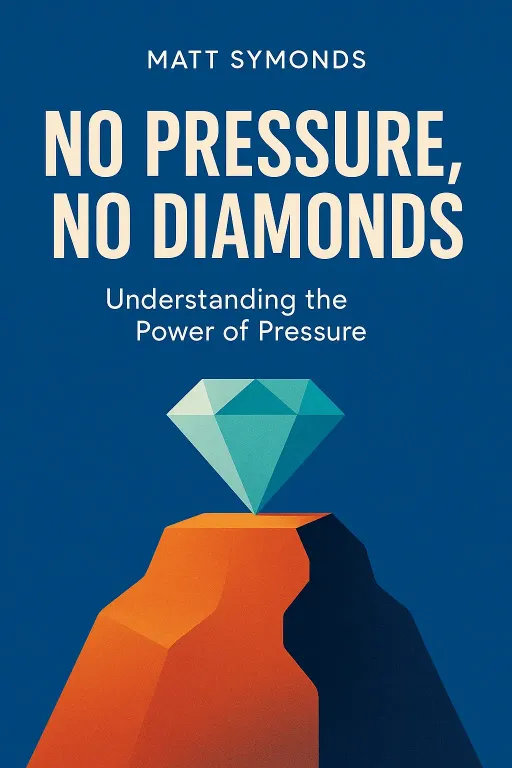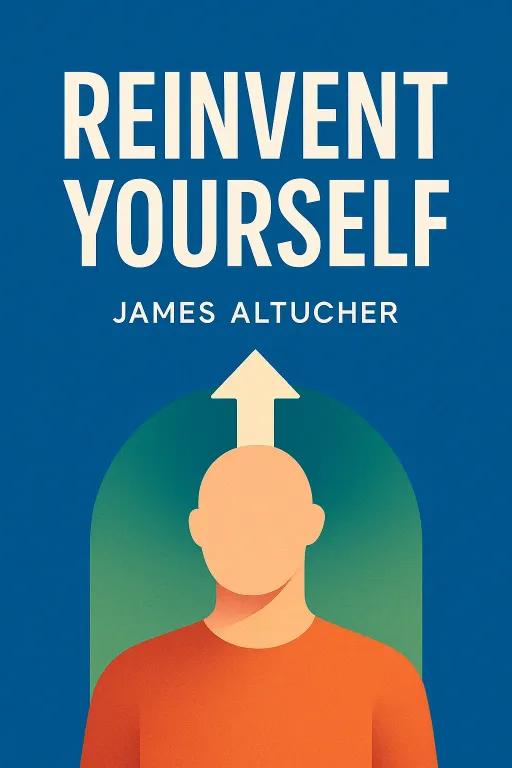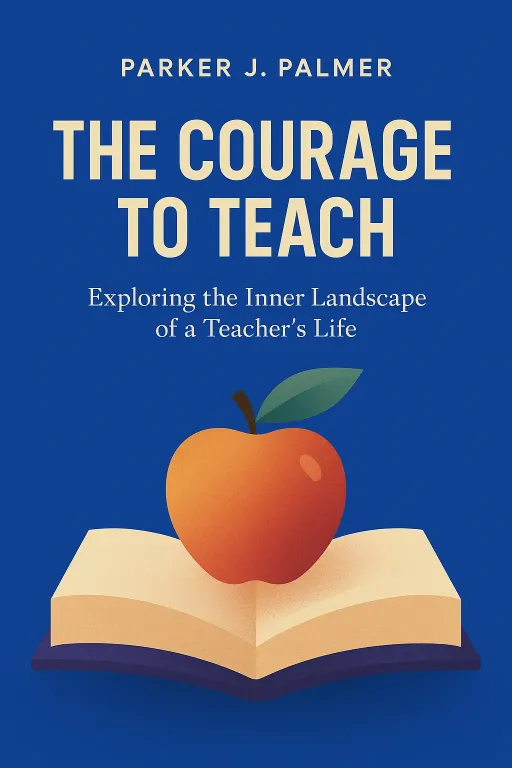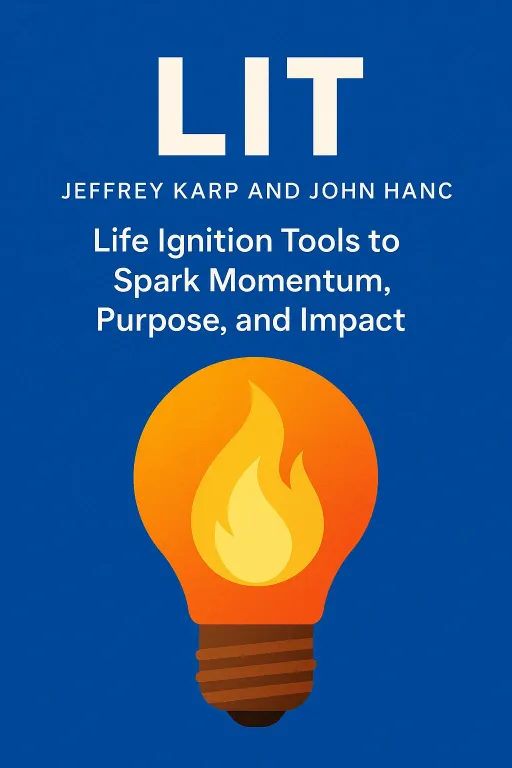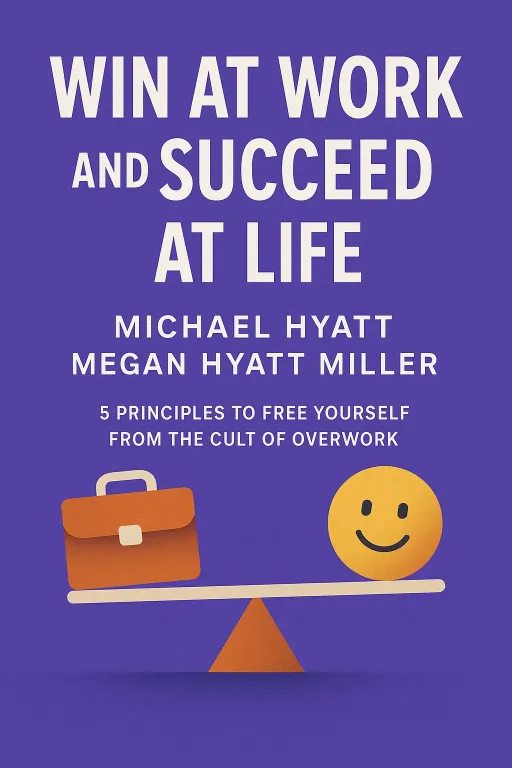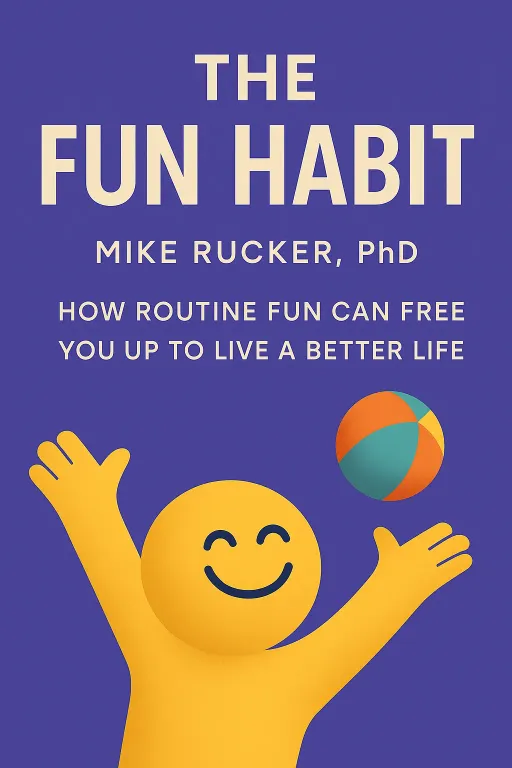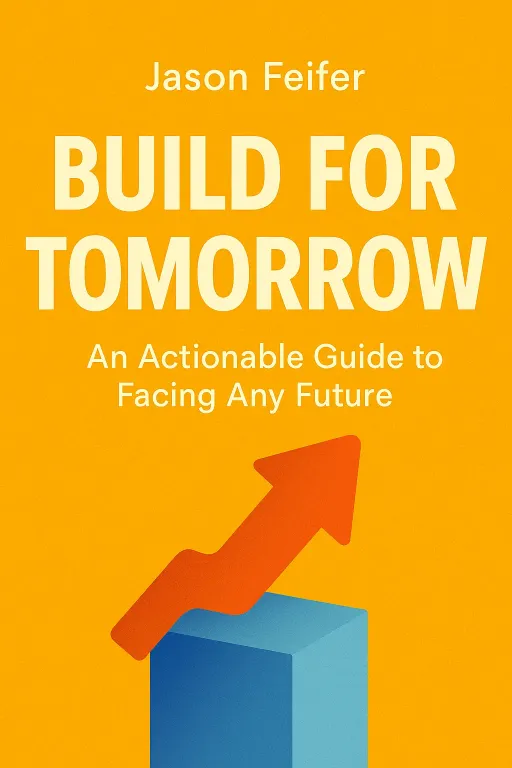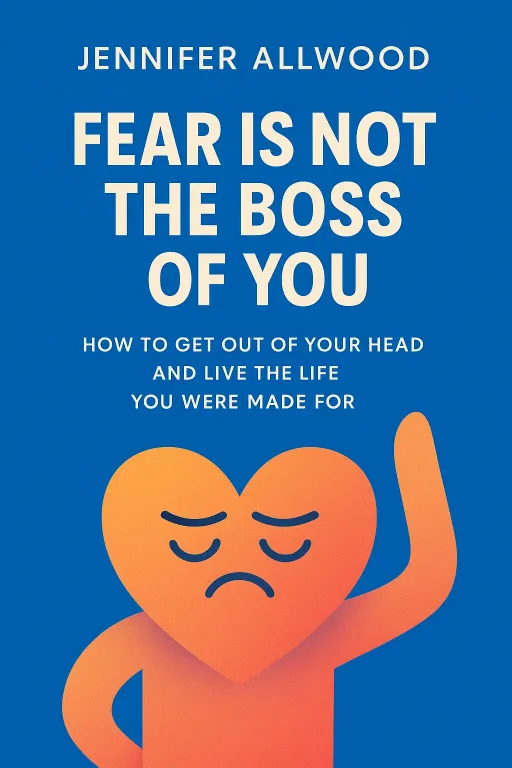
Recommended Reading for Today
Golden Hook & Introduction
SECTION
Nova: What if I told you the best books for personal growth aren't always the ones that make you feel good?
Atlas: Whoa, hold on. That's a pretty bold statement, Nova. I mean, isn't the whole point of personal growth to feel, well,? Why would anyone willingly dive into something that doesn't offer that immediate comfort?
Nova: Exactly, Atlas, and that's precisely where the profound insights lie in the kind of recommended reading we're talking about today. We're not just diving into any list; we're exploring curated selections that delve deep into personal growth, technology, and human nature. These aren't your typical quick-fix guides. They're often the result of authors who have wrestled deeply with complex problems, offering a distilled wisdom that can take years to develop otherwise. They challenge the conventional wisdom, pushing us beyond the superficial.
Atlas: Okay, so you’re saying these are the intellectual heavyweights? The ones that make you think, not just nod along? I’m curious, what separates a truly profound insight from just... good advice? How do these books deliver that lasting intellectual value you mentioned?
Nova: That leads us perfectly into our first deep dive. These profound books often reveal unexpected paradoxes in our pursuit of personal growth.
Unpacking Personal Growth: Beyond the Buzzwords
SECTION
Nova: Many popular self-help narratives often paint a picture of constant happiness, of perpetually striving for an idealized, positive state. They promise a world where every problem has a simple solution, and every emotion can be "optimized" away. But truly insightful books challenge this "Myth of Constant Happiness."
Atlas: So you're saying... all those smiling gurus and 'positive vibes only' mantras might actually be holding us back? That sounds a bit out there. Isn’t happiness what we're all aiming for?
Nova: It’s not that happiness isn't a worthy goal, Atlas. It's that the to genuine, sustainable well-being often involves confronting discomfort, struggle, and even sadness. The profound insights from these books suggest that by constantly avoiding these deeper, often uncomfortable emotions, we build a superficial resilience. We might feel good in the short term, but we miss out on the crucial lessons that only come from navigating adversity. It’s like trying to build muscle without any resistance; you might look good, but there's no real strength underneath.
Atlas: But wait, isn't that just a fancy way of saying 'suck it up' or 'just deal with it'? How do these profound books differentiate between healthy struggle and, say, toxic positivity, which I imagine a lot of our listeners are trying to avoid?
Nova: That’s a critical distinction. These books don't advocate for simply enduring pain. Instead, they offer frameworks for it, for it, and for it into a richer experience of life. They might explore ancient philosophies that teach acceptance, or modern psychology that highlights the adaptive functions of negative emotions. The cause of superficial growth is often our societal pressure for relentless positivity, leading to a process of emotional suppression. The outcome, as these books reveal, is a fragile well-being. A truly profound book helps you confront that internal discomfort, showing you to engage with it, rather than just telling you to smile through it.
Atlas: I see. So, it's about building a more robust, authentic self by understanding the full spectrum of human experience, even the parts that aren't Instagram-ready. That makes me wonder, if personal growth is about confronting these internal truths, how do these books help us navigate the external world, especially with something as pervasive as technology?
Technology & Human Nature: The Intertwined Future
SECTION
Nova: And speaking of confrontation, when we look at the next big area these books dive into – technology – we find another mirror reflecting our deepest human nature, sometimes uncomfortably so. Just as we need to embrace internal discomfort for genuine personal growth, these recommended readings illuminate how technology often forces us to confront uncomfortable truths about our collective human nature.
Atlas: That’s interesting. Most people see technology as a tool, something external we use. But you're suggesting it's more than that? That it's somehow intertwined with who we are?
Nova: Absolutely. Deep thinkers analyze technology not just as neutral tools, but as extensions of our human will, reflections of our deepest desires, and amplifications of our fears. Take, for instance, the concept of "The Algorithmic Echo Chamber." Technology promises to connect us to the world, but these books reveal how it often amplifies tribalism and division. The cause isn’t the algorithm itself, but the human psychological biases—our need for belonging, our confirmation bias—that these algorithms are designed to exploit. The process is the constant feeding of information that validates our existing viewpoints, leading to an outcome of societal polarization.
Atlas: But wait, isn't technology just a tool? Blaming it feels a bit like avoiding personal responsibility. I mean, if we're in an echo chamber, isn't that on us for not seeking out diverse views? What can recommended readings tell us about that, beyond just stating the obvious?
Nova: That’s a crucial point, Atlas. These books don't blame technology. Instead, they illuminate the behind these platforms and the they tap into. They empower us to understand the mechanisms at play, making us more conscious users and even more responsible designers of our digital future. It's like a hammer: it's a tool, but its impact depends entirely on the intention and skill of the wielder. These books help us understand the of constant digital engagement, showing us how to reclaim agency in a hyper-connected world. They offer unique insights into how to cultivate digital wisdom, not just digital literacy.
Atlas: So, it's about understanding the deep human mechanics that technology interacts with, rather than just complaining about the tech itself. That’s a powerful distinction. It sounds like these books are less about giving us answers and more about giving us a better set of questions.
Synthesis & Takeaways
SECTION
Nova: Exactly, Atlas. What these recommended readings fundamentally do is equip us with a deeper understanding of ourselves and our world. Whether it's navigating the paradoxes of personal growth or understanding the intricate dance between technology and human nature, they demand a willingness to look beyond surface-level solutions. They insist we confront the deeper truths, even when they're uncomfortable.
Atlas: That’s actually really inspiring. It means these books aren't just about accumulating facts; they're about cultivating a more discerning mind, one that's better equipped to make sense of a complex, rapidly changing world and, ultimately, live a more intentional life. It's about finding wisdom at the edges of our understanding.
Nova: Precisely. They aren't just about information; they're about transformation. They help us understand that true wisdom isn't found in comfort, but in the willingness to explore and integrate uncomfortable truths.
Atlas: I love that. For our curious listeners out there, who are always looking for those profound insights, what kind of uncomfortable truths have you discovered through your own reading? Share your reflections with us on social media. We'd love to hear what books have challenged your conventional thinking and offered you lasting intellectual value.
Nova: This is Aibrary. Congratulations on your growth!