Beyond the Podium: The 'Atomic Habits' Approach to Personal Branding
Golden Hook & Introduction
SECTION
Nova: You know, Atlas, we're often told to "go big or go home" when it comes to building a personal brand. The pressure to launch with a bang, to have that viral moment, it's immense.
Atlas: Oh, absolutely. It feels like you need to be everywhere, all at once, with this perfectly polished persona from day one. Honestly, it's exhausting just thinking about it. For many of our listeners, especially those who are excellent at their craft but maybe not natural marketers, that expectation can be a total non-starter.
Nova: Exactly! But what if "going small" is actually the secret weapon? What if the grand, sweeping gestures are just distractions from the true, enduring path to influence? What if the very bigness of the goal is what's stopping us before we even begin?
Atlas: That's a bold claim, Nova. I'm intrigued, because it flies in the face of so much conventional wisdom. So, what's the magic behind this idea today?
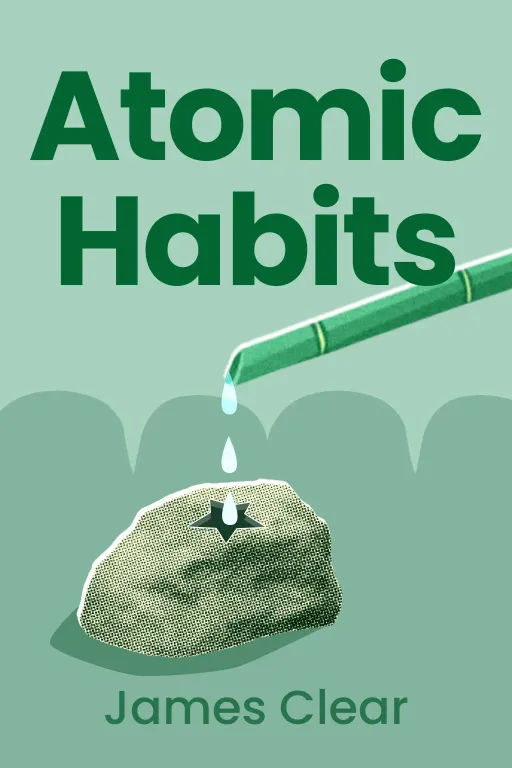
Nova: Today, we're dissecting an idea that's revolutionized productivity and personal growth, and we're seeing how it perfectly applies to branding. We're talking about the profound insights from James Clear's bestselling book,.
Atlas: Oh, that book is everywhere! It's been incredibly impactful for so many. But I confess, Nova, sometimes the idea of "atomic" habits feels a bit… well, small when you're trying to build something as massive and complex as a personal brand. Isn’t it like trying to build a skyscraper with LEGO bricks? It sounds almost… underwhelming.
Nova: Ah, Atlas, that's exactly the magic we're unravelling! Clear famously argues that tiny improvements lead to remarkable results. It's about systems, not just goals. And that's where personal branding often goes awry – people focus on the "skyscraper" goal, the end result, without designing the "LEGO brick" system, the consistent daily actions that actually build it. It’s a classic blind spot.
Deep Dive into Atomic Habits & The Compound Effect for Personal Branding
SECTION
Atlas: So, you're saying the overwhelm we feel around personal branding—that feeling of it being this gargantuan effort—is actually a symptom of focusing on the wrong thing? We're looking at the finish line instead of the first step?
Nova: Precisely. The core shift, as both Clear and Darren Hardy in highlight, is moving from goal-oriented thinking – like "I want to be a thought leader" – to system-oriented thinking – "I want to consistently share valuable insights." Your brand isn't built in a day or a single viral post. It's built in tiny, repeated actions. The goal is the desired outcome, but the system is what gets you there.
Atlas: That's interesting. For someone who's naturally good at structuring thought, like an architect designing a building, this idea of a "system" feels very resonant. It’s like creating a blueprint for your brand. But how do you actually make these branding actions "atomic"? Clear talks about making good habits obvious, attractive, easy, and satisfying. What does that look like in the messy world of personal branding?
Nova: Excellent question. Let's take content creation, for example. Many people dread it. It feels like a huge project. To make it "obvious," you might dedicate 15 minutes every morning to just brainstorming ideas or outlining a single point you want to make. That fixed time slot, that tiny commitment, makes it undeniable.
Atlas: Okay, so scheduling it in, making it a non-negotiable part of your day, even if it’s just 15 minutes. That’s the "obvious" part. But "attractive"? How do you make something like writing or networking, which can feel like a chore, genuinely attractive?
Nova: You reframe it. Instead of "I have to write a post," think "I get to share something I'm passionate about and connect with people who care." You link it to an immediate reward. Maybe after your 15 minutes of brainstorming, you allow yourself to read an article from someone you admire, or listen to a favorite song. Or you make the attractive. If you love coffee, your 15 minutes of brand-building happens with your favorite brew in your favorite spot.
Atlas: So you're pairing it with something you already enjoy, or focusing on the intrinsic reward of connection. I can see how that helps reduce the friction. And "easy"? Is it just about reducing the time commitment, or is there more to it?
Nova: It’s about reducing the friction to the point of almost no resistance. Instead of "I need to write a 1000-word blog post," it's "I'll write one sentence today." Or "I'll create a single bullet point for a future presentation." For networking, it's not "I need to attend a huge event," but "I'll send one thoughtful message to a connection I admire." The barrier to entry becomes so low, you almost can't do it.
Atlas: Right, like that famous phrase, "don't break the chain." It's about showing up consistently, even if it's just for a minute. But that brings me to "satisfying." This is where really comes in, isn't it? Because the "satisfaction" from a single atomic branding action isn't usually immediate. You don't post one thoughtful comment and suddenly become a global influencer.
Nova: Exactly! That's the deceptive nature of the compound effect. Darren Hardy emphasizes that small, smart choices, consistently applied, lead to radical differences. The early gains are almost invisible. It’s like putting a penny in a jar every day. For weeks, it looks like nothing. But over months, years, that jar eventually overflows. Your daily efforts in networking, in content creation, in refining your message – they compound. They build your unique message and presence in ways you can't see day-to-day.
Atlas: So, it's not about the viral moment, but the consistent drip? That feels almost counter-intuitive in today's "instant gratification" world. How do you stay motivated when the "compound" part feels so slow at the beginning, when the "satisfaction" isn't immediate?
Nova: That’s where the "satisfying" part needs a bit of a hack. You create artificial immediate rewards, or you focus on the identity shift. For example, track your progress. A simple spreadsheet marking off each day you complete your "atomic brand action" can be incredibly satisfying. Or focus on the identity you're building. Every time you share an insight, you're not just writing a post; you're becoming "a person who consistently shares valuable insights." You're reinforcing the identity of "thought leader," "expert," or "influencer."
Atlas: Oh, I like that. It's about celebrating the process and who you're becoming, rather than just waiting for the big outcome. That resonates deeply with anyone driven by making a difference – the act of contributing itself becomes the reward.
Applying the System: Breaking Down Overwhelm & Building Influence
SECTION
Nova: So, let's connect this back to that initial blind spot. Personal branding often feels overwhelming because we see it as one massive, monolithic effort. The truth is, it's a system of micro-actions, an accumulation of tiny decisions. Instead of "I need to build my personal brand," it's "I will engage with one relevant post today."
Atlas: These sound so simple, almost too simple. But I can see how they reduce the friction. For someone who thrives on structure, like an architect, this blueprint approach really resonates. It's about designing a brand, not just hoping it appears. It’s about being intentional.
Nova: Exactly. Consider these "atomic brand habits": spend 15 minutes engaging thoughtfully with industry leaders online, not just scrolling. Share one valuable article with a thoughtful, original comment. Refine your LinkedIn headline or bio for five minutes, making it clearer, more impactful. Or just write one sentence for a future piece of content, every single day.
Atlas: Those are incredibly practical. But what about the "impact" aspect? How do these really small, consistent actions translate into tangible influence and making a difference? How does one sentence a day build a platform?
Nova: Because consistency builds credibility. Engagement builds connection. Clarity builds authority. Each "atomic habit" is a brick. That thoughtful comment shows you're paying attention and have valuable insights. That refined LinkedIn headline makes you discoverable. That single sentence, consistently written, eventually becomes a powerful article or a compelling talk. Over time, this consistent presence, this continuous value delivery, builds trust, expands your network, refines your message, and ultimately leads to opportunities for greater impact. It's not about a single grand gesture; it's about the cumulative weight of your authentic, consistent engagement.
Synthesis & Takeaways
SECTION
Atlas: So, the antidote to personal branding overwhelm isn't to try harder or do bigger things, but to break it down into these atomic, repeatable actions. It's about designing a system that makes progress inevitable, even when it feels invisible at first.
Nova: Precisely. Your brand isn't built in a day. It's built in tiny, repeated actions. Embrace the power of small, and watch your influence grow exponentially. It's the ultimate paradox: the biggest impact comes from the smallest, most consistent efforts.
Atlas: That’s a powerful reframing. It makes something that felt like climbing Mount Everest suddenly feel like a series of gentle, daily steps. It's a profound shift in perspective.
Nova: And that brings us to our deep question for you today: What small, repeatable action can you commit to this week that directly supports your personal brand? Just one. What's your first atomic habit for your brand?
Atlas: That's a challenge everyone can take on. Start small, be consistent. That’s how empires are built, even personal ones.
Nova: This is Aibrary. Congratulations on your growth!