

The Empathy Trap: Why True Connection Requires Boundaries
Golden Hook & Introduction
SECTION
Nova: Atlas, I've got a challenge for you today. We're talking about a concept that hits close to home for so many of our listeners, especially those who naturally want to help everyone. Give me your five-word review of "the empathy trap."
Atlas: Oh, that's a good one. Five words... "Drained, but trying to connect."
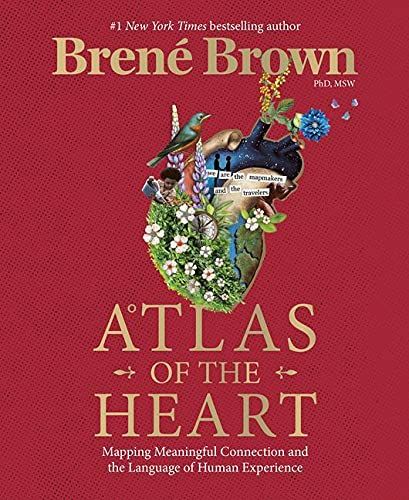
Nova: Oh, that's incredibly poignant. Mine would be: "Give wisely, connect deeply, sustainably." And that, my friend, perfectly encapsulates the profound insights we're pulling from the work of Brené Brown today, especially from her books "Atlas of the Heart" and "Daring Greatly."
Atlas: Brown is such a powerhouse. I mean, she started as a research professor, right? Digging into topics like shame and vulnerability with rigorous academic discipline, and then she somehow made these incredibly complex human emotions accessible to millions. It's a rare gift.
Nova: Absolutely. Her journey from a quiet researcher to a global voice on courage and empathy is quite remarkable. She brought a scientific precision to the messy world of human emotion, and that's exactly what we need when we talk about something as nuanced as empathy. Because, let's be honest, sometimes the very act of nurturing, of deeply connecting, can leave you feeling utterly depleted.
The Empathy Trap & Emotional Draining
SECTION
Atlas: Oh, I know that feeling. It's like you're trying to be there for everyone, to carry their burdens, to truly understand their pain, and then you look up and realize your own emotional tank is on empty. It's an invisible drain.
Nova: Exactly. And that's what we're calling "the empathy trap." It's not about lacking empathy; it's about an empathy. It’s when you become an emotional sponge, absorbing everything around you without a filter or a release valve. Many of our listeners, especially those who identify as nurturers or harmonizers, often find themselves here. They feel guilty even considering pulling back.
Atlas: But wait, how is that different from just being genuinely compassionate? Isn't the whole point of empathy to feel someone? To truly step into their shoes? If you start putting up walls, doesn't that just make you cold or distant?
Nova: That's a crucial distinction. True empathy is about understanding and feeling someone, recognizing their emotions while maintaining your own sense of self. Emotional enmeshment, however, is when you start feeling them, blurring the lines between your emotions and theirs. It’s like trying to help a drowning person by jumping into the water without knowing how to swim yourself. You both go down.
Atlas: That makes me wonder, then, what's the actual impact of this constant draining? Beyond just feeling tired, how does it hinder that genuine connection we all strive for?
Nova: Well, when you're constantly depleted, your capacity for empathy diminishes. You might become resentful, irritable, or even numb. You end up offering a diluted version of yourself, or worse, you avoid connection altogether because the cost feels too high. It’s a vicious cycle where your desire to connect actually leads to disconnection because you're burnt out. Brené Brown, in "Atlas of the Heart," helps us name these specific feelings of overwhelm and exhaustion, showing us that when we can articulate what we're experiencing, we gain a measure of control. It’s not selfish to protect your own emotional well-being; it is, in fact, essential for sustained, authentic empathy.
Boundaries: The Unsung Hero of Authentic Connection
SECTION
Atlas: So, if the problem isn't empathy itself but unregulated empathy, then the solution isn't less empathy, but something else. And I suspect that something else starts with a B. Boundaries. But Nova, boundaries sound so... clinical, so rigid. How do you make them feel less like walls that push people away and more like invitations to deeper connection, especially when you're someone who naturally wants to harmonize and bring people together?
Nova: That's the brilliance of Brown's work, particularly in "Daring Greatly." She shows us that true connection comes from vulnerability, yes, but it absolutely requires clear boundaries. Think of a beautiful garden. You wouldn't just leave it open for anything to trample through, would you? You put up a fence, not to keep people out of the garden entirely, but to protect what's inside, to define its space, to allow it to flourish.
Atlas: That's a great analogy. So, the fence isn't a barrier to entry, it's a definition of a safe space.
Nova: Precisely. Boundaries are simply articulating "what's okay and what's not okay." They are acts of self-respect that communicate your needs and limits. It's saying, "I care about you, and because I care about myself, I need to define where my emotional responsibility ends and yours begins." This isn't about shutting people out; it's about showing up as your whole, resilient self, capable of offering genuine support, not just a fragile, depleted version.
Atlas: For our listeners who are natural planners and nurturers, this sounds like a massive shift. How do you even begin to identify these limits, let alone articulate them, without feeling like you're letting people down or risking conflict?
Nova: It starts small. Brown's work often emphasizes that vulnerability and boundaries are practiced, not perfected. One powerful micro-practice she suggests, which echoes the healing moment in our text, is to take a moment and identify one emotion you've been carrying for someone else. Just one. Acknowledge it. Really feel its weight. And then, gently, intentionally, release it. Imagine it floating away. This isn't about abandoning the other person; it's about recognizing that you don't have to carry emotional burden them. You can offer support, but you don't have to absorb it.
Atlas: That's actually incredibly powerful. It reframes it from a grand confrontation to a quiet, internal act of self-care. It’s a way to strengthen your own foundations.
Nova: Exactly. By acknowledging and articulating your own emotional limits, you aren't just protecting yourself; you're strengthening your capacity for genuine connection. You’re ensuring you have the emotional energy to show up fully, authentically, and sustainably for the people you care about, rather than burning out.
Synthesis & Takeaways
SECTION
Nova: So, what we're really discovering is that true connection isn't about carrying everyone's burdens or having limitless emotional capacity. It's about the courage to define your own emotional space, to set those compassionate boundaries, so you can show up authentically and sustainably.
Atlas: It's a profound shift in perspective. The real daring act isn't just vulnerability, it's vulnerability the courage to say 'this far and no further' when it comes to emotional input. It's about being present, not overwhelmed.
Nova: And that's not being cold or uncaring. It's an act of deep self-respect, which in turn allows for deeper respect in your relationships. It empowers the natural nurturer to nurture without self-destructing. For our listeners who are natural nurturers and harmonizers, this isn't just a concept; it's a lifeline to prevent burnout and foster deeper, more respectful relationships, whether it's with family, friends, or even at work.
Atlas: It truly is. So, perhaps today's challenge is to spend five minutes in mindful breathing, as our growth recommendation suggests, and just identify one emotion you've been carrying for someone else. Acknowledge it, and then gently release it. That's a powerful first step towards sustainable empathy.
Nova: A small act with profound impact. What a journey.
Atlas: What a journey indeed.
Nova: This is Aibrary. Congratulations on your growth!