

Beyond the Canvas: The Unexpected Power of Art to Change Society
Golden Hook & Introduction
SECTION
Nova: Most of us think of art as a nice-to-have, right? A beautiful painting on a wall, a stirring symphony, a thought-provoking sculpture. It’s often seen as a luxury, a pleasant distraction from the serious business of politics, economics, or even just getting through your Tuesday.
Atlas: Oh, I know that feeling. It’s the thing you appreciate when everything else is sorted, like the cherry on top of a well-ordered life. But let’s be honest, for many, it feels pretty far down the priority list compared to, say, balancing the budget or understanding global supply chains.
Nova: Exactly! But what if I told you that dismissing art as mere decoration is missing its most profound, even urgent, power? What if art isn't just reflecting society, but actively shaping it, challenging it, and even healing us individually and collectively, in ways we rarely acknowledge?
Atlas: Whoa. That’s a bold claim, Nova. You’re suggesting art isn’t just a mirror, but a hammer and a balm? I’m intrigued. How does something so often perceived as subjective and, dare I say, sometimes elitist, wield that kind of influence?
Nova: Well, it’s a perspective championed by brilliant minds, like Alain de Botton, who argues for art's practical, therapeutic functions, and John Berger, who critically dissects how we 'see' art and how it's never truly neutral. Today, we're diving into how art, far from being a mere aesthetic pursuit, serves as a powerful, often overlooked, force for individual healing and profound societal transformation.
Atlas: So, we're unpacking art's dual role: as a personal therapist and a societal provocateur. I'm ready. Where do we begin with this unexpected power?
Art as Therapeutic Resilience: Processing and Coping
SECTION
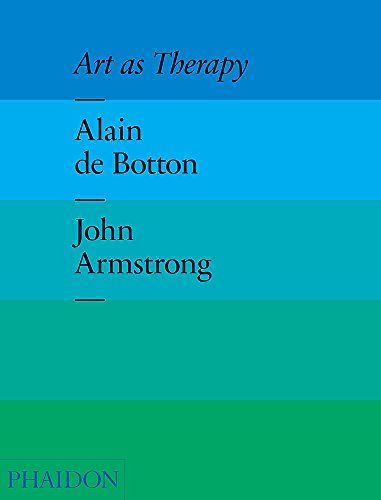
Nova: Let's start with Alain de Botton's radical idea of "Art as Therapy." He challenges the notion that art's primary purpose is beauty or aesthetic pleasure. Instead, he proposes that art serves deeply practical, therapeutic functions. It helps us understand ourselves, process complex emotions, and cope with life’s inevitable challenges, making us more resilient and empathetic.
Atlas: I mean, that sounds lovely on paper, but how does looking at a painting actually "cope" with a challenge? Is it just a distraction? For someone who spends their days trying to connect historical dots or analyze complex data, "therapy through art" can sound a bit... soft, almost. What's the mechanism at play here?
Nova: It’s far from soft, Atlas, and it’s not just distraction. Think of it this way: art provides a language for emotions that we often struggle to articulate. Imagine experiencing profound grief. Words often fail us. But then you encounter a piece like Käthe Kollwitz’s "Mother with Dead Son." It’s raw, it’s primal, it’s almost unbearable to look at.
Atlas: Oh, I know that one. It’s incredibly powerful. The way the mother's body is hunched over, the sheer weight of sorrow...
Nova: Exactly. In that moment, a viewer might not just see a sculpture; they see their own unspoken pain reflected back. It's a profound validation that they are not alone in their suffering, that these feelings are universal and deeply human. De Botton would argue that this validation, this sense of shared experience, is deeply therapeutic. It normalizes our internal chaos and helps us process it. Art can be a container for our biggest, most frightening emotions.
Atlas: So it's not about the art making the pain go away, but about the art holding the pain, allowing us to acknowledge and metabolize it? That’s a fascinating reframe. It sounds less like a luxury and more like an essential tool for emotional intelligence. How does it build empathy, then, beyond just personal solace?
Nova: Because when we see our own emotions reflected in art, we also develop the capacity to recognize those same emotions in others. Think of a powerful portrait that captures a complex human experience – struggle, joy, defiance. By engaging with it, we practice empathy. We step into another's shoes, even if that 'other' is a fictional character or a historical figure depicted centuries ago. This practice extends our emotional range, making us more understanding and resilient in our interactions with the real world. It makes us better citizens, in a way, by expanding our capacity for understanding.
Atlas: That makes sense. It's almost like a gym for the soul, strengthening our emotional muscles. The idea that art can build collective resilience by fostering shared understanding and empathy within a community is quite profound. It moves beyond individual experience to something with civic impact, which really resonates.
Art as Critical Lens: Shaping and Challenging Society
SECTION
Nova: And that naturally leads us to the second key idea we need to talk about, which often acts as a powerful counterpoint to the idea of art as pure comfort: art as a critical lens. This is where John Berger's "Ways of Seeing" becomes absolutely pivotal. Berger fundamentally argues that art is never neutral. It’s always consumed and interpreted through a cultural and historical filter.
Atlas: Wait, if art is therapeutic and helps us cope, how can it also be a "critical lens" that challenges and sometimes even discomforts us? Isn't that a contradiction? And how does a painting or sculpture actually "shape" society? Isn't it just a reflection of the context it was created in? As someone who looks for patterns and causal relationships across history, I need to understand the mechanism of that shaping.
Nova: That's the beautiful tension, Atlas! Art both reflects and reality. Berger was a Marxist critic, and he meticulously showed how images, especially in Western art, are deeply intertwined with power, ownership, and social hierarchy. He argued that the way we 'see' a painting, for example, is often conditioned by centuries of assumptions about beauty, value, and status. His work essentially deconstructs the 'aura' of art.
Atlas: So, he’s saying that when we look at a Renaissance portrait, we're not just appreciating the brushstrokes, but also implicitly absorbing the power dynamics of the time—who commissioned it, who owned it, what it symbolized about wealth and status?
Nova: Precisely. And by making us aware of these hidden layers of meaning, art becomes a powerful tool for critique. Think about Francisco Goya's "The Third of May 1808." It depicts the brutal executions of Spanish civilians by Napoleon's troops. It's not just a historical record; it's a searing indictment of war, dehumanization, and the abuse of power.
Atlas: That’s a chilling piece. The central figure, arms outstretched, almost Christ-like, facing the firing squad... it’s impossible to look away.
Nova: And that's the point. Goya chose to depict the faceless, mechanical brutality of the soldiers against the individual, terrified humanity of the victims. This wasn't merely a reflection; it was a deliberate act of shaping public consciousness, fostering anti-war sentiment, and challenging the romanticized narratives of military glory. It forces us to confront uncomfortable truths about human nature and political violence. It’s art as a mechanism for cultural critique, a way to process complex truths about our shared history and challenge prevailing ideologies.
Atlas: So art isn't just about what's on the canvas, it's about what it to the viewer, how it makes us question the world around us. That’s a powerful civic function, especially for an engaged citizen. How does this critical function of art empower us today, beyond just historical examples? Does it still have that bite, or are we too desensitized?
Nova: Absolutely! Look at contemporary protest art, street art, or even political cartoons. They use visual language to cut through the noise, to challenge complacency, to highlight injustices, and to spark dialogue. They force us to see things differently, to question narratives we might otherwise accept without thought. Art, in this sense, is an active participant in societal evolution, continually pushing the boundaries of what's acceptable, what's true, and what's possible. It doesn't just reflect values; it actively shapes new ones. It helps us process complex truths in a way that pure data or rhetoric often can't.
Synthesis & Takeaways
SECTION
Nova: So, we’ve explored art as a profound source of personal resilience and emotional processing, and then as a sharp, critical lens for societal evolution and challenging power structures. What truly connects these two seemingly distinct functions is art's unparalleled ability to help us process complex truths. It’s not just about what we see, but how it makes us and, pushing us beyond surface phenomena to deeper principles.
Atlas: It’s a remarkable duality. The historian in me sees how art has always been intertwined with the human story, not just as decoration, but as a driver of change. The analyst in me appreciates how it dissects and reassembles our understanding of the world. And the engaged citizen recognizes its potential to inform and inspire action. So, Nova, for our listeners, what’s the big takeaway here? How do we, as individuals, engage with this unexpected power of art in our daily lives?
Nova: My profound insight here is that art, in its dual capacity for healing and critique, is an essential nutrient for a robust and empathetic society. It’s a societal immune system, both mending individual wounds and fighting collective injustices. The concrete anchor for this is that societies that actively engage with and support diverse forms of art tend to exhibit higher levels of social cohesion and critical thinking. It’s not a luxury; it’s a necessity for collective well-being.
Atlas: That’s a powerful way to put it. It shifts art from a passive experience to an active form of civic engagement. So, consider a piece of art that deeply affected you. How did it challenge your perspective or offer a new way of understanding the world around you? Take a moment to think about that this week.
Nova: Yes, and let that engagement be your personal and civic contribution. Because when you engage with art, you’re not just looking; you’re participating in the ongoing conversation of humanity.
Atlas: Absolutely.
Nova: This is Aibrary. Congratulations on your growth!