

The 'Culture Shock' Trap: Why You Need Historical Roots.
Golden Hook & Introduction
SECTION
Nova: Imagine arriving in a new country, eagerly trying to understand its people, its customs. You're observing everything, taking notes, but still, something feels... off. Like you're watching a play without ever having read the script.
Atlas: Oh, I know that feeling! That sensation of missing the memo, right? Like there’s an inside joke everyone gets but you, and you just can’t quite catch the punchline. It’s frustrating.
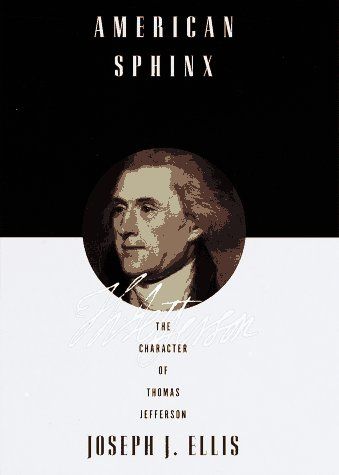
Nova: Exactly! And that frustration, that feeling of being perpetually a step behind, is often the 'Culture Shock' Trap. Today, we’re diving into why you need historical roots to truly escape it. Our insights are inspired by the powerful, often challenging, perspectives found in Howard Zinn’s seminal work, "A People's History of the United States," and Joseph J. Ellis’s nuanced biography, "American Sphinx" on Thomas Jefferson. These aren't just history books; they're lenses that transform how we see the present.
Atlas: So, they're not just giving us dates and names, but helping us figure out that invisible script you mentioned? That sounds incredibly valuable, especially for anyone trying to navigate a new cultural landscape, or even just understand their own better.
The 'Blind Spot' of Surface-Level Cultural Observation
SECTION
Nova: Absolutely, Atlas. And that leads us to our first core idea: the 'blind spot' of surface-level cultural observation. When we encounter a new culture, it’s natural to focus on the visible: the food, the festivals, the customs, the way people talk or dress. But without understanding the historical currents that shaped those surface manifestations, you miss the deeper logic. It’s like trying to understand a complex chess game by only looking at the positions of the pieces on the board right now, without knowing any of the moves that led to that moment, or the underlying strategies and conflicts.
Atlas: Okay, but hold on. Isn’t it enough to just observe and adapt? Like, if I see people always do X in situation Y, I’ll eventually learn to do X too. How does knowing some historical event from 200 years ago help me order coffee or understand a local joke today? I mean, practically speaking.
Nova: That’s a great question, and it gets to the heart of the blind spot. You can learn to do X, but you won't understand X is done, or the subtle variations and tensions around X. Take the American ideal of 'individual liberty,' for example. On the surface, it seems straightforward. But if you don't understand the historical battles for civil rights, the ongoing debates about economic freedom versus social safety nets, or the contradictions embedded in its very founding – like Jefferson's own struggles with slavery – then its contemporary expressions can be incredibly confusing. You might see protests for seemingly contradictory causes, all invoking 'liberty,' and it feels like a chaotic mess.
Atlas: That makes me wonder, so without that historical 'why,' those everyday interactions you mentioned can become a minefield? Like if I encounter someone who seems to value collective responsibility over individual achievement, and I don't understand the historical roots of that collective mindset, I might just dismiss them as 'different' or even 'wrong' instead of understanding their perspective.
Nova: Precisely! You're constantly trying to solve a puzzle with half the pieces missing. You might misinterpret directness for rudeness, or indirectness for dishonesty, not realizing these are often deeply ingrained communication styles shaped by generations of social and economic history. This blind spot doesn't just make things confusing; it can lead to unintentional offense, missed opportunities for connection, and a pervasive feeling of being an outsider, even as you try your best to fit in. It becomes a source of constant low-grade culture shock, not just a one-time jolt.
Unearthing Deeper Logic: History as a Rosetta Stone for Cultural Integration
SECTION
Nova: So if observation alone creates such a profound blind spot, what's the antidote? This is where Zinn and Ellis become our guides, offering more than just facts – they offer a Rosetta Stone for cultural understanding. They don't just tell you happened; they reveal the dynamic processes, the power struggles, and the contradictions that forged the culture we see today.
Atlas: That’s a great way to put it – a Rosetta Stone. So you’re saying these books help decode the underlying operating system, not just the user interface? For someone trying to truly integrate, or teach others about American culture, these aren't just history books then. They're like instruction manuals for the soul of a nation.
Nova: Exactly! Take Zinn’s "A People's History." He doesn't give you the traditional narrative of presidents and wars from the top down. He flips the script, telling history from the perspective of the marginalized, the working class, women, and ethnic minorities. By doing that, he reveals the ongoing tension between America’s stated ideals and its often brutal reality. You start to see that the social struggles playing out today – over equality, justice, economic fairness – aren't new. They are echoes of centuries-old battles, still unresolved.
Atlas: Wow. That gives me chills. So a protest you might see on the news today isn’t just a spontaneous event; it’s a chapter in a much longer story. It makes you realize how much unspoken history is baked into every current event. But what about Ellis and Jefferson? How does understanding one complex historical figure help with broader cultural integration?
Nova: Ellis’s "American Sphinx" delves into the complexities of Thomas Jefferson, a man who penned the declaration that "all men are created equal" while owning slaves. Ellis doesn't shy away from these profound contradictions. Understanding Jefferson isn't about judging him by modern standards, but about grasping the inherent paradoxes at the nation's founding. These paradoxes – the tension between ideals and reality, individual liberty and systemic oppression – are not historical footnotes. They are the very fabric of many modern American debates, from racial justice to economic inequality.
Atlas: That makes me wonder, how does understanding Jefferson’s contradictions help someone understand, say, modern political polarization or debates about freedom versus collective good? It sounds like it helps you see that these aren't new arguments, but deeply rooted tensions that have been present from the very beginning.
Nova: It absolutely does! It helps you understand that these aren't just current disagreements; they're manifestations of foundational arguments that have never been fully resolved. When you see the roots of these contradictions, you realize that what appears to be a chaotic, fragmented society is actually one grappling with its own historical DNA. This understanding changes your approach to cultural integration entirely. Instead of just trying to "fit in," you begin to understand the deeper currents, allowing for a more empathetic, informed, and ultimately, more effective engagement with the culture. You move from being a passive observer to an active participant who can appreciate the complexity and contribute meaningfully.
Synthesis & Takeaways
SECTION
Nova: So, what we're really saying is that cultural integration isn't just about adapting to the present; it's about understanding the past that created the present. It transforms the experience from a confusing series of surface-level encounters into a profound journey of discovery, revealing the dynamic processes and underlying forces that still shape society today. This historical lens empowers you to navigate a new culture with genuine insight and a deeper sense of belonging.
Atlas: That’s actually really inspiring. So, if history truly is this Rosetta Stone, what foundational myths or unspoken tensions might we be missing in our own understanding, even of our immediate communities? It makes you want to dig deeper everywhere.
Nova: Exactly, Atlas. We encourage all our listeners to dedicate even 15 minutes a day to exploring a chosen American cultural text. Start with Zinn or Ellis, or find another book that challenges your assumptions. We’d love to hear what historical insights you uncover and how they change your perspective on cultural integration. Share your discoveries with the Aibrary community!
Nova: This is Aibrary. Congratulations on your growth!