

Beyond the Canvas: The Hidden Power of Aesthetic Intelligence
Golden Hook & Introduction
SECTION
Nova: What if I told you that focusing on efficiency and practicality is actually making us miss out on a powerful secret ingredient for success and fulfillment?
Atlas: Hold on, Nova. I'm all for efficiency, and in a world that demands results, 'practicality' sounds like a pretty good recipe. Are you saying we've been barking up the wrong tree this whole time?
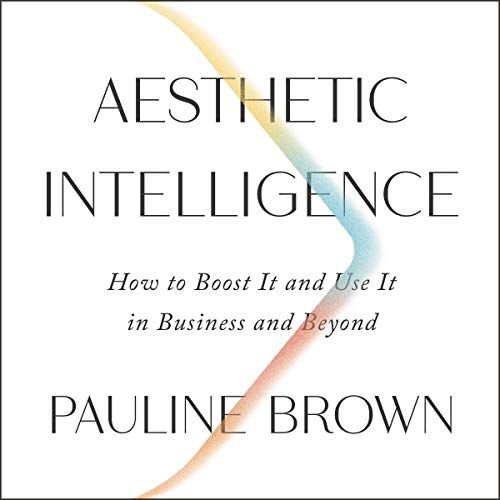
Nova: Exactly, Atlas! We've become so fixated on the 'what' and the 'how' that we've practically forgotten the 'why' – particularly the profound 'why' of beauty and aesthetics. Today, we're unpacking a fascinating concept from Pauline Brown's book,. Brown, a former chairman of LVMH North America, brings a truly unique perspective from the luxury goods world, showing how sensory experiences aren't just for high fashion, but are fundamental to human connection, no matter the field.
Atlas: Oh, I like that. So, it’s not just about pretty things, but something deeper.
Nova: Precisely. Brown argues that 'Aesthetic Intelligence' is this critical, often overlooked skill. It’s the ability to identify, understand, and then on sensory cues to create products, services, and experiences that quite simply, delight and inspire. The core problem is that we often have a blind spot, overlooking the immense power aesthetics have on the human experience. We dismiss beauty as superficial, when in reality, it's a powerful driver of engagement, emotion, and meaning.
Deep Dive into The Blind Spot & Apple Case Study
SECTION
Atlas: Okay, but isn't 'beauty' just subjective fluff? In a world obsessed with ROI and quantifiable metrics, how can we justify focusing on something so... elusive, or even, dare I say, 'soft'? I imagine a lot of our listeners who are managing high-pressure teams or launching new products might feel like this is a luxury they can't afford.
Nova: That’s a fair point, and it’s exactly where our blind spot lies. We've been conditioned to think of aesthetics as the icing on the cake, not a core ingredient. But think about a company like Apple. When you buy an Apple product, are you just buying a functional device?
Atlas: Well, no. You're buying into an ecosystem, a brand. The design is a huge part of it. The sleek lines, the minimalist interface, the way everything just.
Nova: Exactly. But let's go even deeper. Remember the first time you unboxed an iPhone or a MacBook? The weight of the box, the satisfying resistance as you lift the lid, the pristine presentation of the device nestled inside. That's not accidental. That's meticulously designed sensory delight. The smooth, cool feel of the aluminum casing, the precise click of the buttons, the subtle chime when it powers on. These are all sensory cues that build an emotional connection. They don’t just say, "This is a good product"; they say, "This product is."
Atlas: Wow. So it's not just about flashy looks, it's about the? Like, how the product feels in your hand, or even the sound it makes? I guess that makes sense. I remember when I got my first Apple device, it felt like a premium experience from the moment I touched the packaging. It almost felt... ceremonial.
Nova: Right? It's that intentional design, engaging sight, touch, even sound in a subtle symphony. Apple didn't just build powerful computers; they built experiences that felt intuitively right, almost magical. And that's the hidden power of aesthetic intelligence – it moves us beyond mere functionality to something that truly resonates on an emotional level, fostering deeper connections with the product and, by extension, the brand.
The Shift: Engaging All the Senses & Starbucks Case Study
SECTION
Nova: And that’s where the real shift comes in, Atlas. It's about consciously engaging the senses, not just what's immediately visible. It’s about moving beyond just practical purpose.
Atlas: Okay, so if Apple does it with tech, how does this translate to something more everyday? Like, say, a cup of coffee? I'm curious, how does a coffee shop leverage this 'Aesthetic Intelligence'?
Nova: Ah, a perfect example! Let's talk about Starbucks. Many would say they sell coffee. But if you walk into a Starbucks, are you just paying for the caffeine?
Atlas: Definitely not. You're paying for the experience. I mean, the coffee is fine, but it’s the place itself. The vibe.
Nova: Precisely. Starbucks didn't just sell coffee; they sold a "third place" – not home, not work, but a comfortable, inviting in-between. And how did they achieve that? Through a masterful application of aesthetic intelligence. Think about it: the rich, inviting aroma of roasting beans that hits you the moment you walk in. That's scent. The specific, warm lighting, often with dark wood and comfortable chairs. That's sight and comfort. The low hum of conversation, the gentle clatter of cups, the carefully curated background music. That's sound. The smooth, warm mug in your hands, the texture of the pastry. That's touch and taste.
Atlas: Wow, so it's almost like a carefully orchestrated symphony of senses. I'm imagining how many places I go to that just... miss the mark on this. They focus so much on getting the product out, they forget the entire sensory world they’re creating around it. How do we even begin to 'design' for something so intangible? For our listeners who are always trying to innovate or create, how do they move beyond just the practical purpose?
Nova: That’s the million-dollar question, and it's why Pauline Brown argues that Aesthetic Intelligence is a for leaders and creators today. It’s not about being an artist or a designer; it’s about cultivating an acute awareness of sensory cues and understanding their impact. It’s about asking: how does this? How does it? What does it evoke? It's a discipline, actually, and it requires conscious effort to move beyond our functional tunnel vision. It's about seeing the profound impact that subtle, sensory details have on human experience.
Synthesis & Takeaways
SECTION
Nova: So, what we've really explored today, Atlas, is how Aesthetic Intelligence moves us beyond simply making things to making them. It’s about designing for delight and inspiration, ensuring that our products, our services, our experiences, don’t just fulfill a need, but truly resonate and connect on a deeper, sensory level. It's about recognizing that beauty isn't a bonus; it's a fundamental human need.
Atlas: That’s actually really inspiring. I can see how this changes the whole game. For anyone listening, myself included, who wants to inject more sensory richness into their next project, and move beyond just its practical purpose, what’s one tangible step they can take, starting today?
Nova: A great question! Start by becoming a sensory detective in your own life. Pay attention to what genuinely delights your senses in everyday experiences – the perfect cup of tea, the feel of a well-designed pen, the ambiance of a favorite café. Then, pick one small project, personal or professional, and intentionally experiment with sensory element. Could you add a specific sound? A unique texture? A subtle scent? The smallest details often make the biggest difference. It's about conscious design, not just accidental beauty.
Atlas: That’s a perfect example. It’s about actively observing and then intentionally creating, not just hoping for the best. I think that's a powerful shift in perspective for anyone.
Nova: Absolutely. It’s about understanding that every single detail contributes to the overall experience, and mastering those details is what truly elevates something from good to unforgettable.
Atlas: Fantastic. Thank you, Nova.
Nova: My pleasure, Atlas.
Nova: This is Aibrary. Congratulations on your growth!