

 Nova's Picks
The Anxiety Toolkit: From Understanding to Freedom
A course-structured guide to understanding anxiety at its root — psychologically, neurologically, and philosophically — and building the practical toolkit to live with more freedom and ease.
1. Module 1 · Understanding What's Happening in Your Mind
Before you can change your relationship to anxiety, you need to understand what it actually is — biologically, psychologically, and evolutionarily.
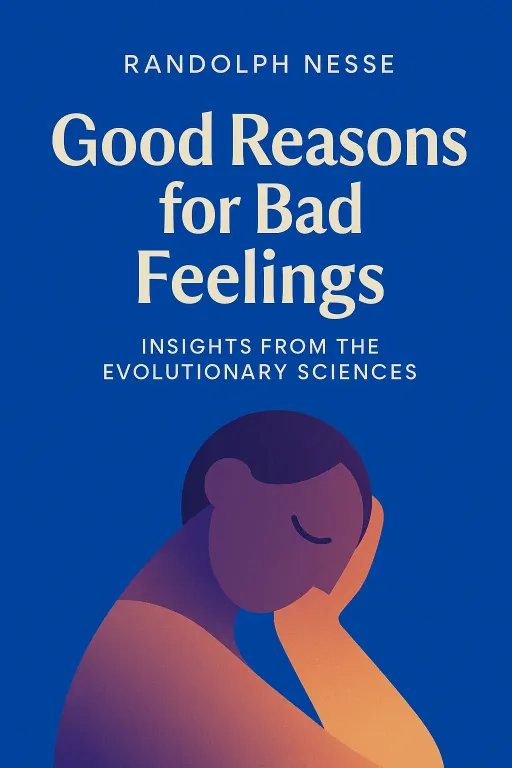
Good Reasons for Bad Feelings
Evolutionary psychiatrist Randolph Nesse explains why emotional pain exists. This reframe alone changes everything.
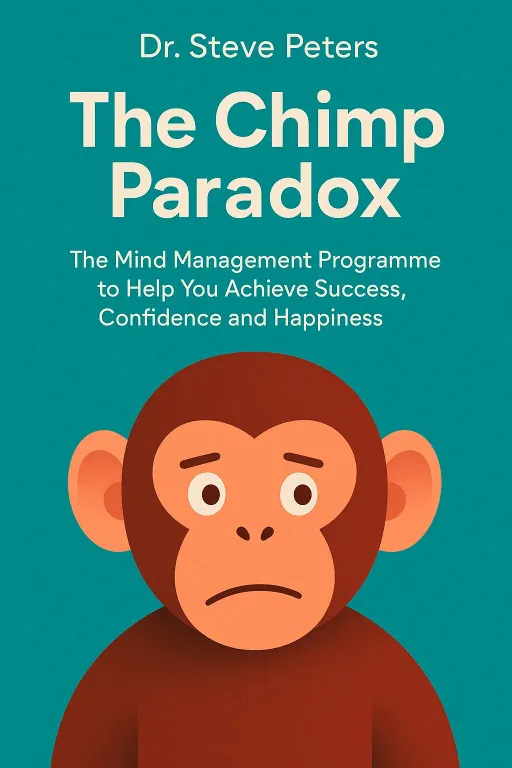
The Chimp Paradox
Steve Peters's accessible brain model explains why we act against our own interests.
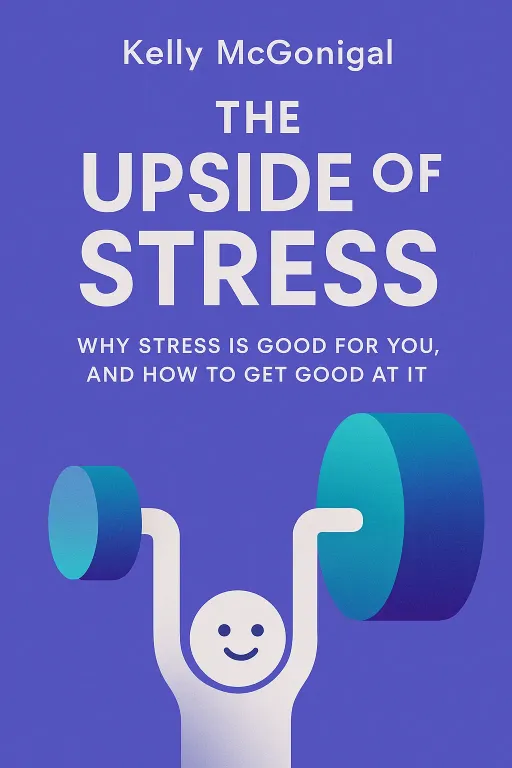
The Upside of Stress
Kelly McGonigal's counterintuitive research: reframing stress as meaningful. Mindset is biology.
2. Module 2 · Practical Tools for Calming the Mind
Evidence-based practices that create genuine, lasting change in how you relate to difficult thoughts and feelings.

Waking Up
Sam Harris's secular, scientifically grounded guide to meditation. The most intellectually honest introduction to contemplative practice.
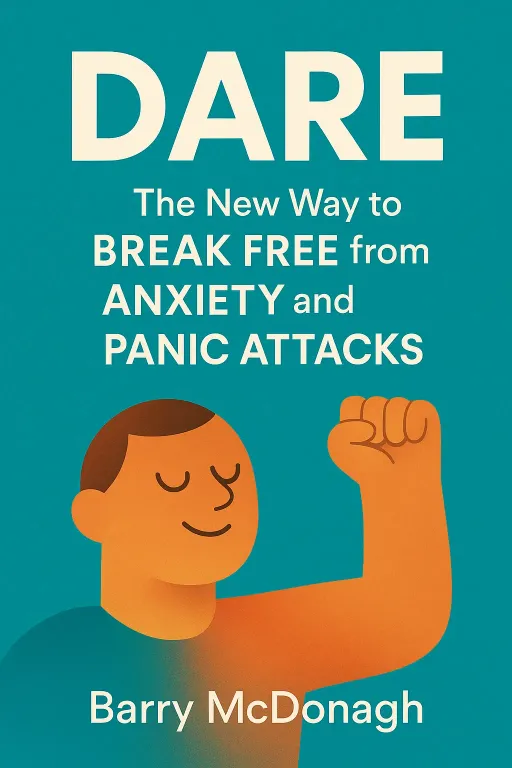
DARE: The New Way to Break Free from Anxiety and Panic Attacks
Barry McDonagh's compassionate, highly practical approach that teaches acceptance and curiosity over avoidance.
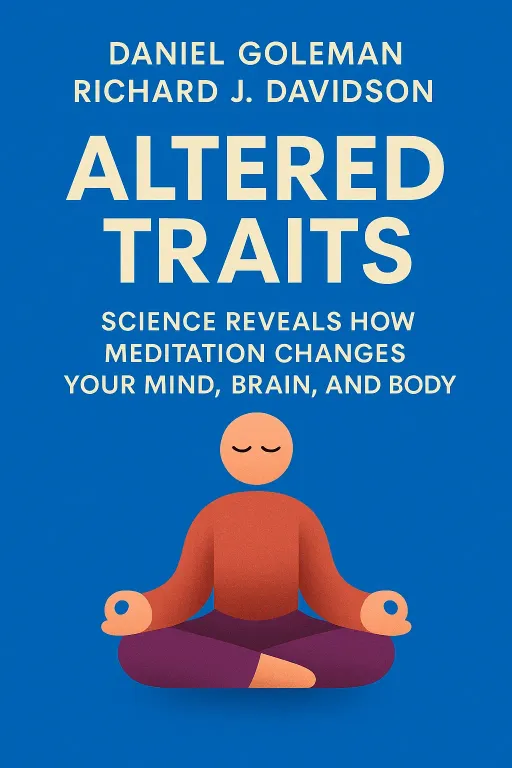
Altered Traits
Goleman and Davidson's rigorous review of the meditation science: what it actually changes in brain and personality.
3. Module 3 · Building a Life That Doesn't Require Anxiety Management
The deeper work: redesigning your relationship to meaning, uncertainty, and mortality so that anxiety loses its grip at the source.
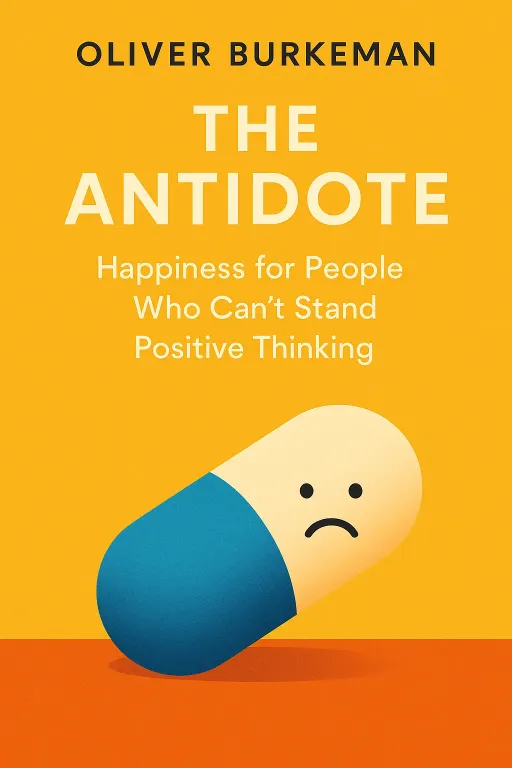
The Antidote
Oliver Burkeman's counter-intuitive philosophy: chasing happiness often produces anxiety.

The Courage to Be Disliked
Adlerian psychology's radical claim: all problems are interpersonal problems. Freeing yourself from others' approval is the master key to psychological freedom.
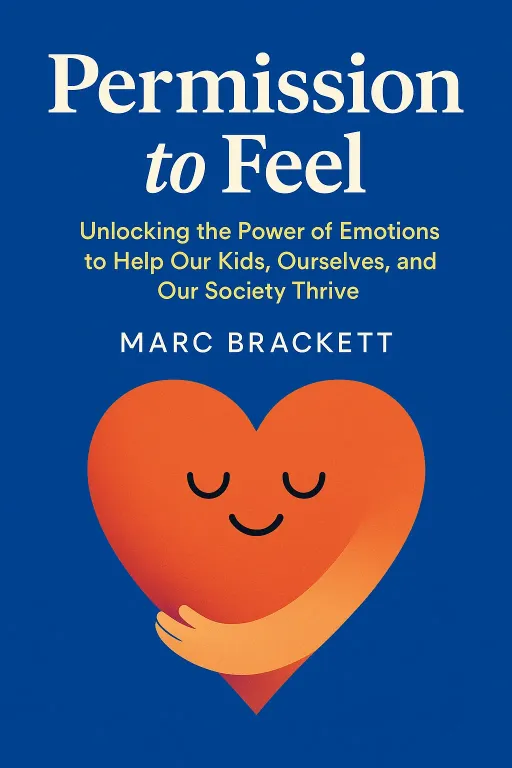
Permission to Feel
Marc Brackett's RULER framework for emotional intelligence — not suppressing or venting emotions, but developing genuine fluency with them.
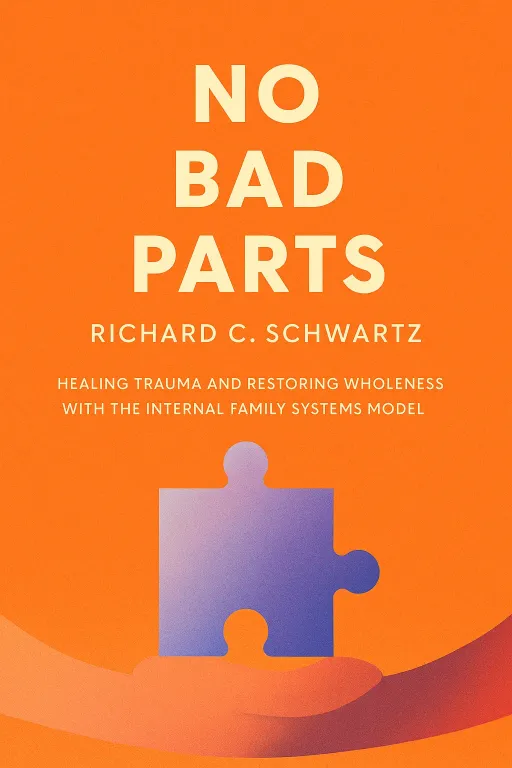
No Bad Parts
Richard Schwartz's IFS approach: anxious, critical, and avoidant 'parts' aren't problems to eliminate.