

 Nova's Picks
Understanding Iran, America, and the Middle East's Reckoning
Geopolitical tensions between the U.S. and Iran aren't new. They're the culmination of decades of interventionism, revolution, and competing visions for regional power. This curated list takes you from the historical roots of American military overreach to the structural forces reshaping the Middle East, giving you the context every serious investor and policy-watcher needs to understand what's actually at stake.
1. The American Playbook: How We Got Here
Understanding the pattern: U.S. military intervention in the Middle East isn't an aberration. It's a recurring script. From Afghanistan to Iraq to Iran, the same dynamics repeat. This section reveals the historical blueprint.
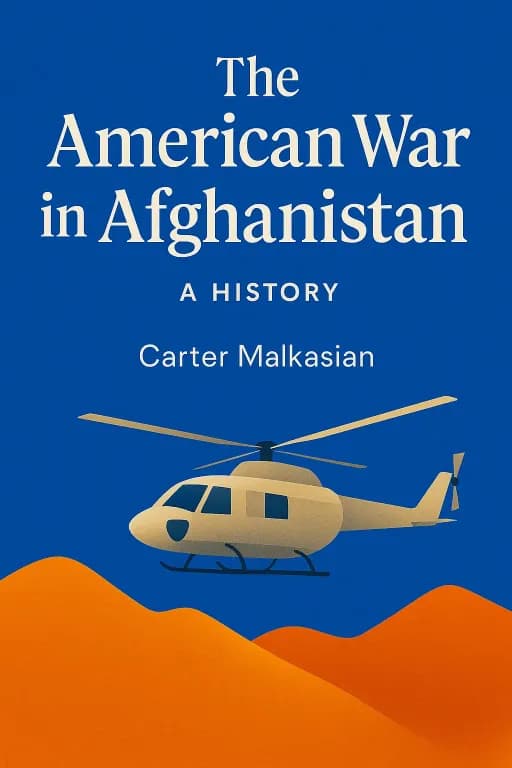
The American War in Afghanistan
Essential for understanding how 20 years of nation-building became a cautionary tale that now shapes decisions on Iran.
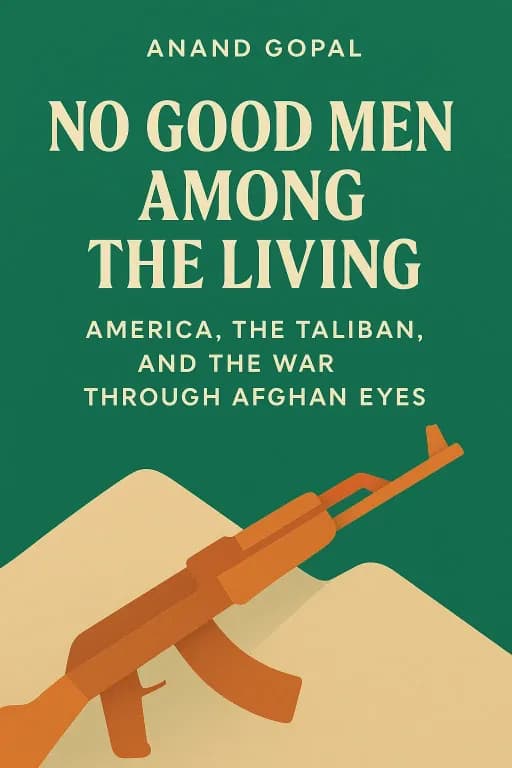
No Good Men Among the Living
Pulitzer Prize finalist and featured on NPR's "Best Books" list. This is the book that reframes the entire Afghan conflict through the eyes of those living it.
2. Revolution and Resistance: Iran's Own Story
Iran isn't a monolith responding to external pressure. It's a nation with its own internal contradictions, revolutionary history, and competing power centers. Know Iran on its own terms.
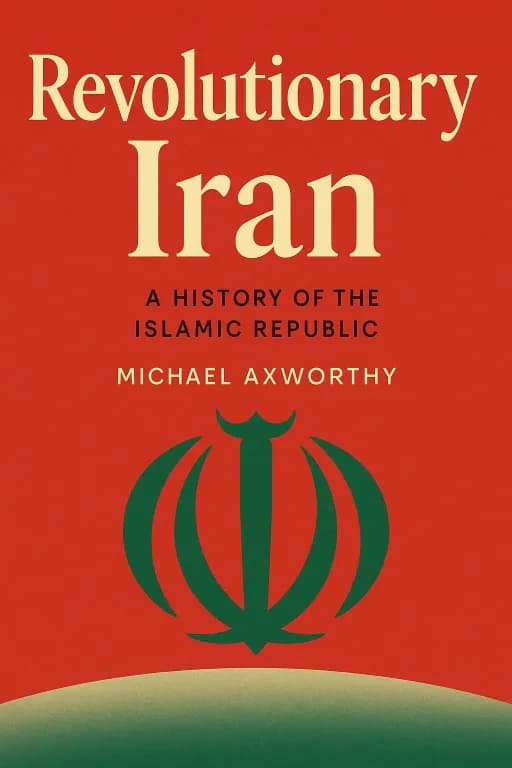
Revolutionary Iran
The definitive modern history of Iran, cited in The Economist and The Financial Times as essential context for understanding current Iranian politics.
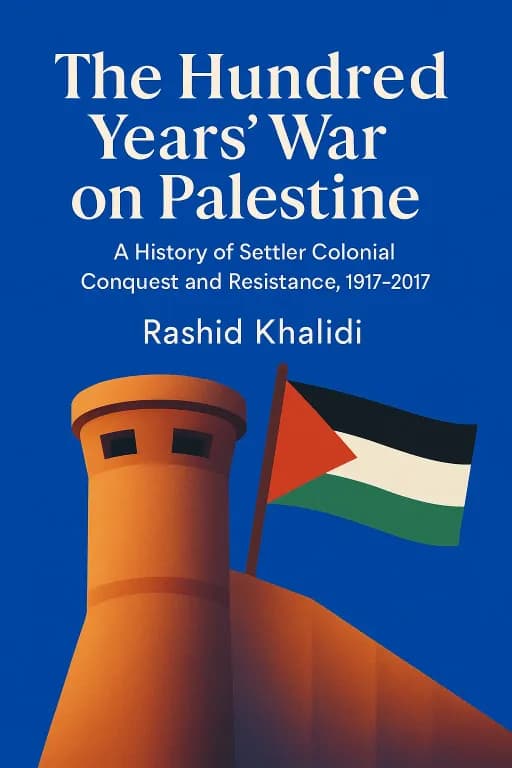
The Hundred Years' War on Palestine
This book connects the dots between U.S. Middle East policy, Israeli strategy, and Iranian regional positioning.
3. The Human Cost: When Policy Meets Reality
Behind every military strike are real people in real cities. This section grounds the geopolitical abstraction in lived experience. What actually happens when empires collide.
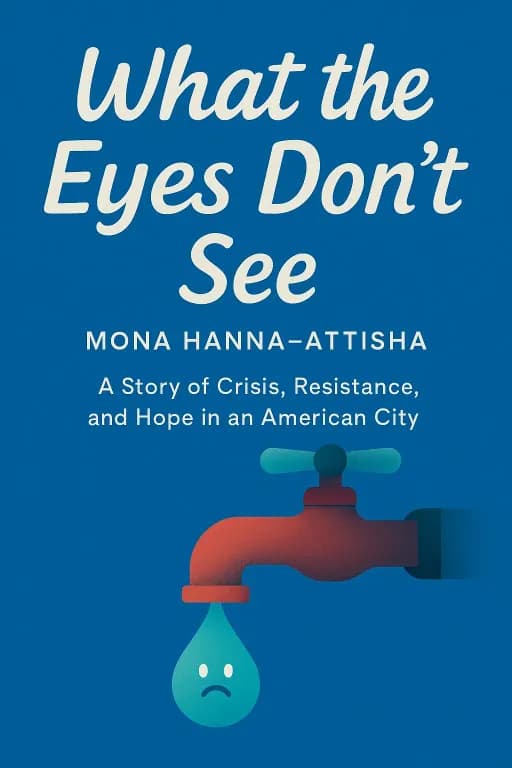
4. Reading the Cycles: What Comes Next
History doesn't repeat, but it rhymes. These books help you recognize the structural patterns that predict where U.S.-Iran tensions could lead.
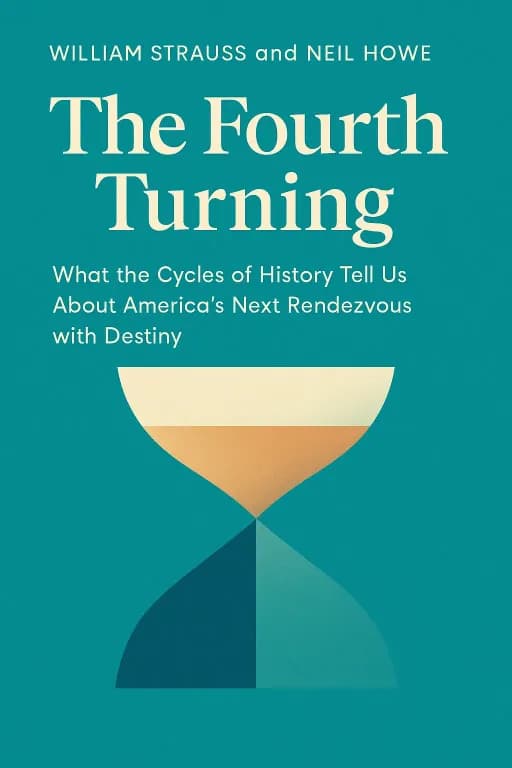
The Fourth Turning
A framework for understanding generational shifts in American foreign policy appetite. Essential for predicting whether the U.S. public will tolerate another prolonged Middle East conflict.
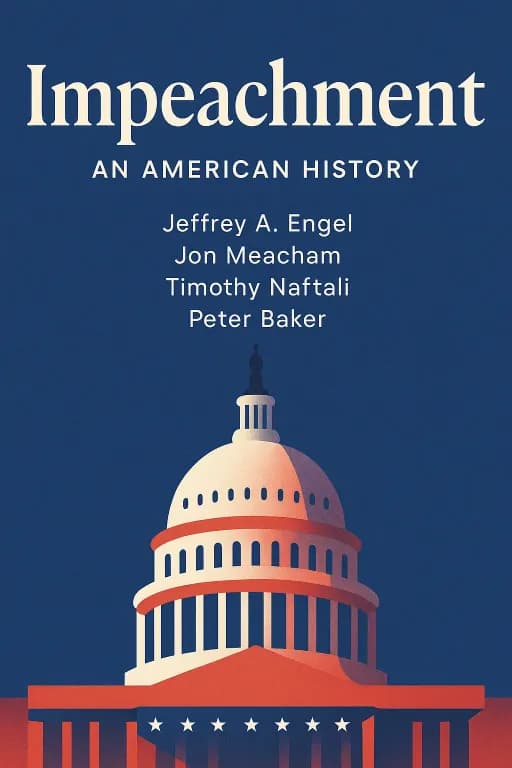
Impeachment
Directly relevant to understanding the constitutional and political limits on executive war-making—the actual constraints on U.S. military action in Iran.