

 Nova's Picks
How the World Works: Systems, Power & Civilizational Forces
A growth plan in understanding the deep structures shaping society. From the economic systems that distribute opportunity, to the geopolitical forces reorganizing global power, to the ideas and technologies that determine what kind of future we're actually heading toward.
1. Module 1 · The Big Picture: Human History as a System
Start with perspective — the long-arc view of how civilizations rise, fall, and are shaped by forces most people never see.
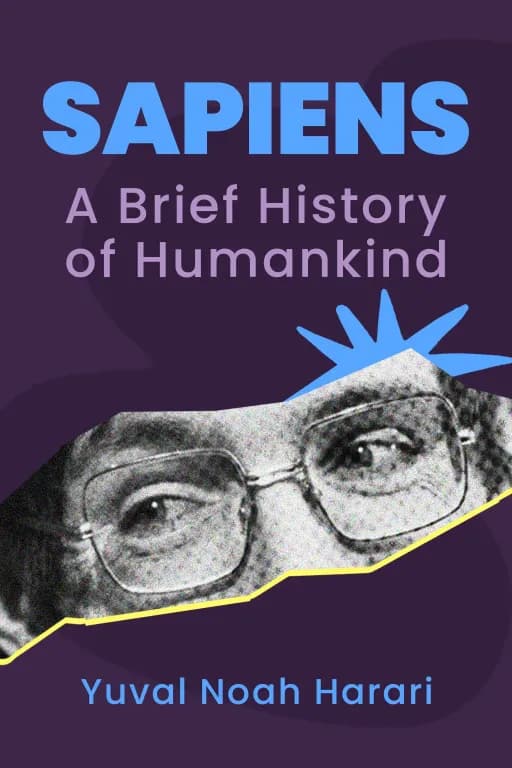
Sapiens: A Brief History of Humankind
Yuval Noah Harari's sweeping account of Homo sapiens — how shared fictions allowed our species to cooperate at civilizational scale.
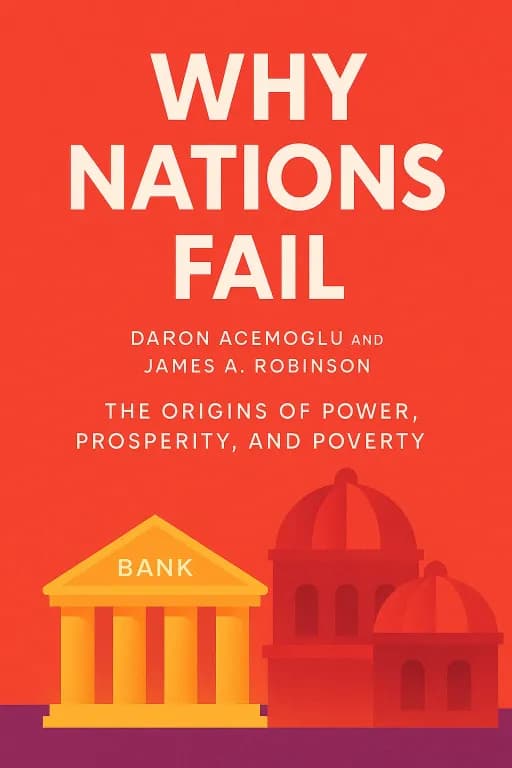
Why Nations Fail
Acemoglu and Robinson's landmark thesis: inclusive vs. extractive institutions explain why some societies prosper and others stagnate.
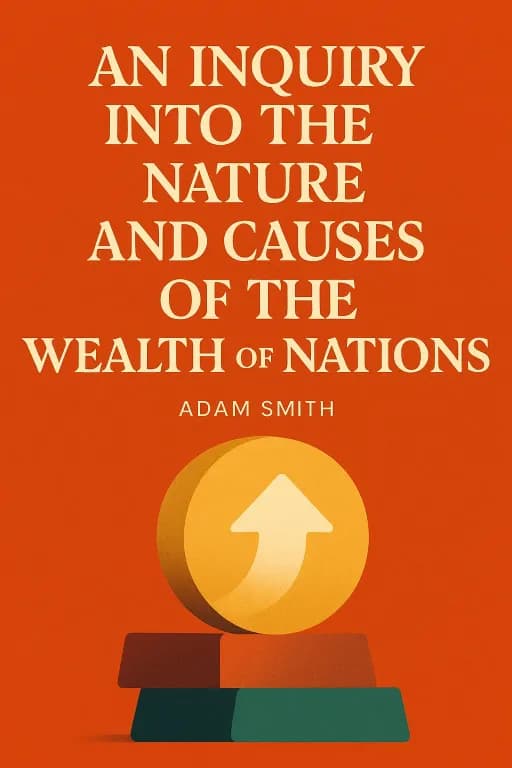
The Wealth of Nations
Adam Smith's foundational text on markets, specialization, and the mechanisms of economic growth.
2. Module 2 · The Forces Reshaping the World Right Now
Geopolitics, technology, energy, and trade — the structural forces that are quietly redrawing the map of power, opportunity, and risk in the 21st century.

The Silk Roads
Peter Frankopan's radical retelling of world history centered on the trade routes of Central Asia.

Homo Deus
Harari's forward-looking companion to Sapiens: what happens to human meaning, work, and politics as biotechnology and AI surpass human capabilities.

Nexus
Harari's most recent examination of how information networks have always determined who holds power and how societies coordinate.
3. Module 3 · Navigating the Future With Clear Eyes
Apply systems thinking to the world around you — building the mental models and act wisely under uncertainty.
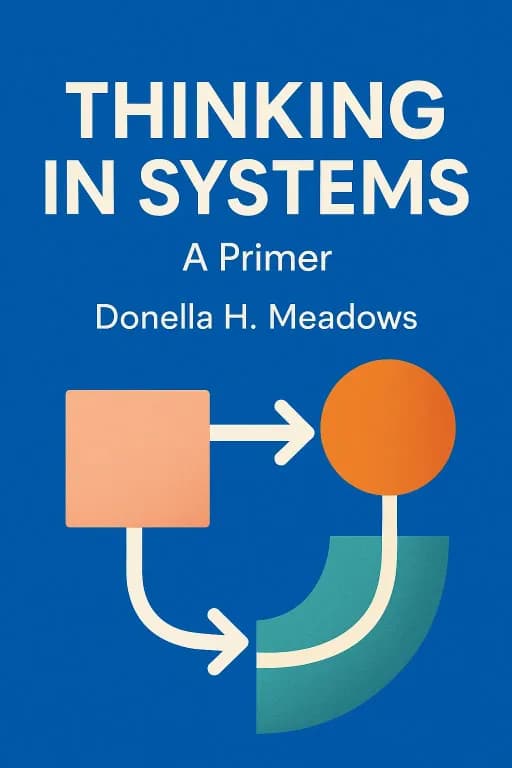
Thinking in Systems
Donella Meadows's essential guide to seeing the feedback loops, delays, and emergent behaviors that drive complex social, economic, and technological systems.

21 Lessons for the 21st Century
Harari's present-focused companion: the most pressing political, technological, and existential challenges we face.
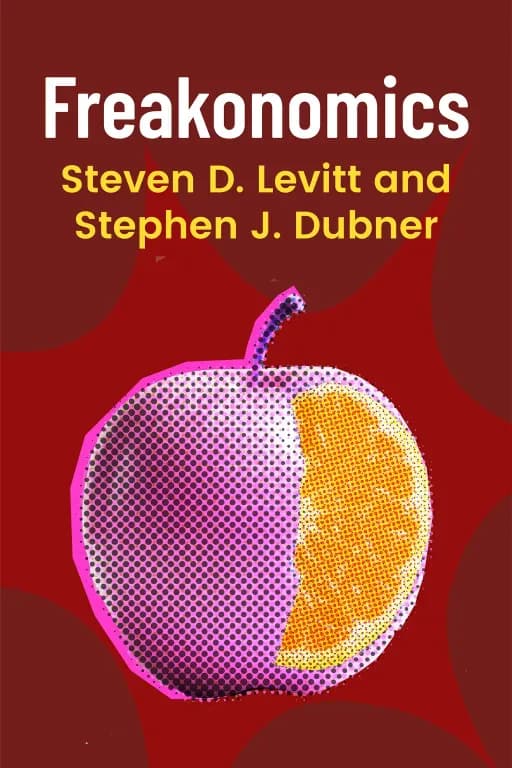
Freakonomics
Levitt and Dubner's model for thinking about incentives and hidden causes.
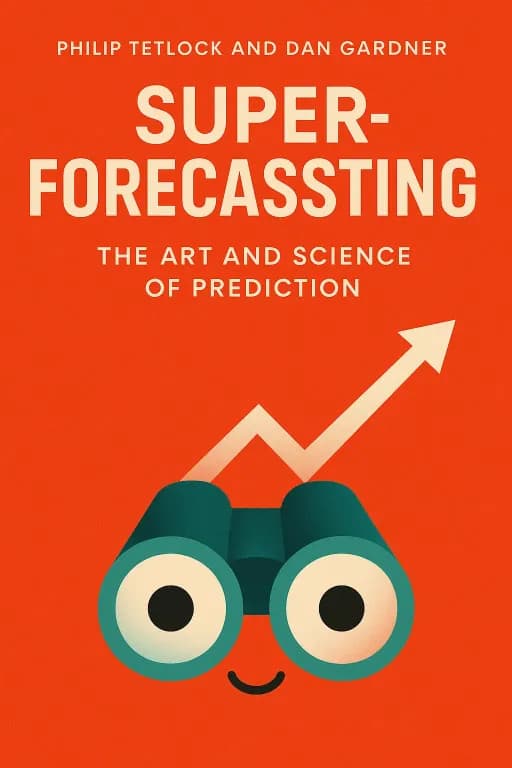
Superforecasting
Philip Tetlock's research on how to make genuinely accurate predictions about complex systems.