The Purpose Trap: Why Your 'Why' Needs Constant Re-evaluation
9 minGolden Hook & Introduction
SECTION
Nova: Most startups are obsessed with their product, their features, their tech specs. They pour countless hours into perfecting the 'what' and the 'how' of their business.
Atlas: Oh, I know that feeling. It's like, if the product isn't perfect, nothing else matters, right? That's what keeps founders up at night.
Nova: Exactly! But what if I told you that focusing on of that is actually your biggest blind spot? That the true differentiator, the unseen force that inspires movements and builds empires, lies in something far more fundamental?
Atlas: Hold on. You're saying all those late nights optimizing conversion funnels and tweaking UI designs might be missing the point? That sounds a bit out there, but you've got my attention. What is this mysterious unseen force?
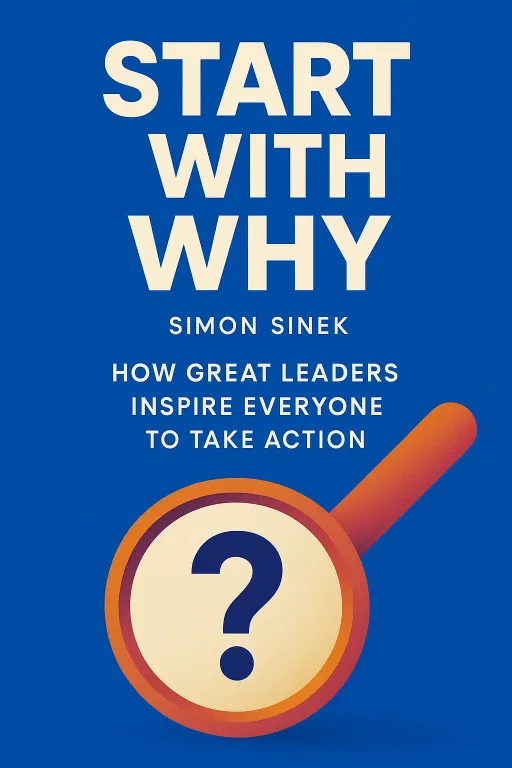
Nova: It’s the 'why.' The core purpose, the belief, the cause that drives everything you do. Today, we're diving deep into 'The Unseen Force: How Storytelling Shapes Your Product and Team,' drawing heavily from the foundational ideas of Simon Sinek's 'Start With Why' and Donald Miller's 'Building a StoryBrand.' You know, Sinek became a global phenomenon after his iconic TED Talk, which pretty much launched the entire 'Start With Why' movement, inspiring millions to rethink their approach to business and leadership.
Atlas: Right, I've heard of Sinek, but sometimes these big concepts feel a bit abstract when you're in the trenches, trying to get a viable product to market. How does this 'why' translate into actual product growth and team building for an early-stage founder?
The Unseen Force: Starting with 'Why'
SECTION
Nova: That’s the beautiful part, Atlas. It’s incredibly practical. Sinek essentially presents this concept he calls the Golden Circle: Why, How, What. Most companies communicate from the outside in – they tell you they do, then they do it, and rarely, if ever, they do it. But truly inspiring organizations, the ones that build cult-like followings and loyal teams, they start from the inside out. They communicate their 'why' first.
Atlas: So you're saying people don't buy the latest gadget; they buy into a belief? Like, if I'm selling a new project management tool, I shouldn't just list features?
Nova: Precisely. Think about Apple. For decades, they weren't just selling computers or phones. They were selling a 'why': challenging the status quo, thinking differently, empowering the individual to create and innovate. Their early marketing wasn't about gigabytes or processing speed; it was about "Think Different." They were saying, "If you believe in challenging the norm, in creativity, then our products are for you."
Atlas: Yeah, I can definitely relate to that. Their customers often feel like they're part of a movement, not just buying electronics. It's almost tribal.
Nova: And it’s not just about customers. That 'why' also acts like a powerful magnet for talent. People don't just want a paycheck; they want to feel like their work contributes to something bigger than themselves. When your 'why' is clear, you attract individuals who resonate with that purpose, who are intrinsically motivated. This creates a far more resilient and innovative team.
Atlas: I guess that makes sense. As a founder focused on building a strong team, getting people aligned around a shared vision feels critical. But how does a founder, who's just trying to get a product out the door, even begin to uncover this 'why'? Isn't 'why' just a fancy mission statement that gets plastered on a wall and forgotten?
Nova: That’s a common misconception. A true 'why' isn't something you invent; it's something you discover. It’s the origin story of your passion, the core belief that led you to start this journey in the first place. It often comes from a problem you deeply care about solving, a frustration you experienced, or a vision for a better world. It's authentic, not aspirational. It's about what you, not just what you.
Atlas: So it's less about a corporate decree and more about a personal conviction that then permeates the entire organization. That makes me wonder, if the 'why' is so powerful, how do you actually articulate it so it's not just a vague feeling but a clear message that inspires action?
Crafting Your Narrative: Storytelling as Product & Team Builder
SECTION
Nova: That’s where Donald Miller's "Building a StoryBrand" comes in, and it’s a brilliant complement to Sinek's 'why.' Once you've discovered your authentic 'why,' Miller gives you a framework to communicate it in a way that truly resonates. His core insight is that customers aren't looking for a hero; they're looking for a guide. They are the heroes of their own story, and your product is the tool that helps them overcome their challenges and achieve their goals.
Atlas: Okay, so, instead of me, the founder, being the hero who built this amazing product, my customer is the hero, and my product is their trusty sidekick?
Nova: Exactly! Think of it like this: your customer has a problem – an external problem they can see, and often a deeper, internal frustration or fear related to it. Your product isn't just a solution; it’s the guide that understands their dilemma, offers a plan, and helps them succeed. This narrative shift is incredibly powerful because it taps into fundamental human psychology. People are wired for stories.
Atlas: That’s a great way to put it. I can see how that would make a product feel more relevant and empathetic. Can you give an example of how a startup might apply this?
Nova: Absolutely. Let’s imagine a hypothetical early-stage B2B SaaS startup, let’s call them 'FlowState,' offering project management software. Initially, their website might have screamed, "FlowState: The most advanced project management tool with AI-powered task allocation and real-time analytics!" They were focused on the 'what' and 'how.'
Atlas: Sounds like every other startup pitch I hear.
Nova: Right. But after applying StoryBrand, they revamped their messaging. They realized their customers weren't just looking for features; they were struggling with chaos, missed deadlines, and feeling overwhelmed. The internal problem was often a sense of not being in control, of feeling productive but not impactful. So, FlowState shifted their narrative to: "Tired of project chaos stealing your focus? FlowState helps ambitious teams like yours conquer complexity, so you can deliver exceptional results and reclaim your peace of mind."
Atlas: Wow, that’s a completely different feel! It speaks directly to the pain.
Nova: It does! They positioned their customers as the ambitious heroes battling chaos, and FlowState became the wise guide offering a clear plan to victory. This didn't just change their marketing; it changed how their sales team talked to prospects, how their product team prioritized features, and even how their internal teams understood their purpose. It attracted customers who understood and employees who in bringing order to creative chaos.
Atlas: So what are the first few things a founder should do to apply this StoryBrand framework? It sounds like more than just a marketing tweak.
Nova: It's a fundamental shift in how you communicate your value. First, clearly identify your customer. Who is your hero? Second, what is their external problem, and more importantly, what is the frustration or fear that problem causes? And third, how does your product act as the guide, offering a clear, simple plan to help them solve that problem and achieve success? It forces clarity and empathy.
Atlas: That makes perfect sense. It’s about building a bridge between your 'why' and your customers' 'why,' using a narrative they can instantly connect with. And it sounds like it would powerfully align a team too, giving everyone a shared story to tell and a common goal to work towards.
Synthesis & Takeaways
SECTION
Nova: Absolutely, Atlas. When you combine Sinek's profound insight into the 'why' with Miller's practical framework for 'how' to tell that story, you unlock an incredible power. It's not just about features or even benefits; it's about purpose and connection. It’s the difference between selling a product and building a movement.
Atlas: And for an early-stage founder, that movement can be the difference between struggling for traction and rapidly attracting top talent, loyal customers, and critical investment. It’s an undeniable competitive advantage.
Nova: It truly is. This unseen force – the power of purpose and narrative – isn't just external window dressing. It’s an internal compass that defines a company's soul and drives its destiny. It's about building a company that people don't just, but one they and.
Atlas: That's actually really inspiring. It makes me think that sometimes we're so caught up in the tangible aspects of building a business, we forget the intangible forces that actually move people.
Nova: Exactly. So, for all our listeners out there, especially early-stage founders: What is the core 'why' behind your startup, and how clearly are you communicating it to your team and customers? Take some time to reflect on that. We'd love to hear your insights and stories. Share them with the Aibrary community.
Nova: This is Aibrary. Congratulations on your growth!