

The Creative Flow State: How to Architect Impact Without the Burnout
8 minGolden Hook & Introduction
SECTION
Nova: What if the very path you've been told leads to peak performance and unparalleled impact is also the quickest way to extinguish your creative fire?
Atlas: Oh, I know that feeling. For anyone who's ever pushed themselves to the brink, chasing that next big idea or project, only to feel completely drained, that hits home. It feels like the modern dilemma, doesn't it? The more you want to achieve, the more you risk losing yourself in the process.
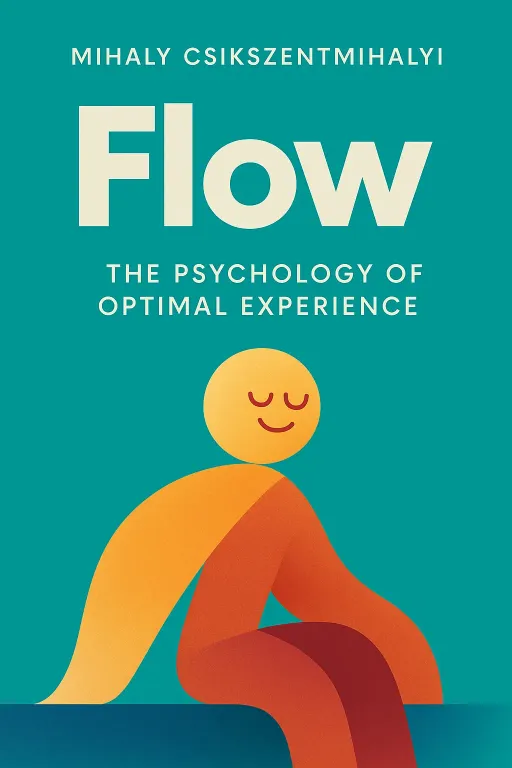
Nova: Absolutely, Atlas. And that's precisely what we're dissecting today, through the lens of something we're calling 'The Creative Flow State.' We're diving deep into the groundbreaking work of Mihaly Csikszentmihalyi, who literally coined and pioneered the scientific study of 'flow' – that optimal state of consciousness. And we’ll also draw from the nurturing insights of Julia Cameron, who, through 'The Artist's Way,' became a global guru for creative recovery, teaching us how to tend to our inner artist.
Atlas: So we're talking about more than just productivity tips, then? This sounds like a fundamental shift in how we approach work itself, especially for those of us who see the big picture and aim for real, lasting impact. It’s about not just doing great work, but doing it sustainably.
Nova: Exactly. It's about architecting a life and a work process that allows for sustained impact, not just a series of brilliant, but ultimately exhausting, sprints.
The Architecture of Flow: Designing for Peak Performance
SECTION
Nova: So let's start with Csikszentmihalyi and this incredible concept of 'flow.' He discovered that true engagement, where time seems to vanish and you're deeply satisfied, isn't accidental. It's a state that occurs when the challenges you face perfectly match your skills. Think of a surgeon performing a complex operation, a musician improvising, or even an athlete in the zone. They're not consciously thinking; they're just.
Atlas: Huh, that makes sense. I can imagine that feeling, say, when you're deeply immersed in solving a complex problem, where the solution just seems to unfold. But I'm curious, for our listeners who are 'Architects' of projects, who manage teams and juggle multiple complex deliverables, how do you find this seemingly elusive balance? Isn't it just for artists or extreme sports enthusiasts?
Nova: Not at all. That's a common misconception. Csikszentmihalyi's research shows flow is universal. The key is that the challenge can't be too easy, or you get bored, and it can't be too hard, or you get anxious. It’s that sweet spot. For an architect, it might be about breaking down a massive project into manageable, yet stimulating, sub-tasks where your skills are fully engaged. The conditions for flow are actually quite specific: clear goals, immediate feedback, and a sense of control over your actions.
Atlas: Okay, so it’s not about waiting for inspiration to strike, it’s about the environment and the task. Like, if I'm leading a team, instead of just assigning a vague deliverable, I need to articulate very clear goals for a specific component, ensure there's a feedback loop, and empower my team members with enough autonomy to tackle it. That almost sounds like engineering your own optimal performance.
Nova: Precisely! It's about moving beyond accidental moments of deep work to a deliberate practice. For someone who leads with purpose and balances rigor with engagement, understanding how to architect these conditions is paramount. It means structuring your day, your tasks, even your physical space, to invite that state of focused absorption. It’s about optimal effort, not just maximum effort.
Atlas: Right, like, if you're building a narrative, you don't just dump all the words on a page. You outline, you craft, you refine, taking on chunks that stretch you but aren't overwhelming. So it's not about working harder, but working smarter within a specifically designed mental space. That makes me wonder, though, what happens when that mental space gets cluttered?
The Inner Sanctuary: Replenishing Creative Reserves
SECTION
Nova: Excellent question, Atlas, because while flow helps us perform at our peak, it's not the whole story. Even the most perfectly architected flow state requires fuel. And that's where Julia Cameron steps in with 'The Artist's Way' and her profound insights into creative recovery. Her premise is simple but powerful: creative output isn't just about external achievement; it's about nurturing the inner artist.
Atlas: Oh man, that sounds like something our listeners, who are driven by connection and empathy, would really resonate with. But wait, so someone striving for 'impact' and leading with 'purpose' should be... journaling? Isn't that a bit touchy-feely for a high-stakes environment? How does that actually translate to tangible results, or, you know, bottom lines?
Nova: I love that skepticism, Atlas, because it's a common hurdle. Cameron's signature practice, Morning Pages, isn't about writing a masterpiece. It's about writing three pages, longhand, first thing in the morning, stream-of-consciousness. It's not for anyone else to read. It's a form of "mental decluttering." It clears out the anxieties, the to-do lists, the resentments, the mental chatter that prevents you from even a flow state. It’s like defragging your brain.
Atlas: So basically you're saying it's a practical tool for focus, not just a diary entry. It's about creating mental space so you can actually and more clearly when you sit down to work. For someone who wants to bridge logic and emotion, that sounds like a way to harmonize the internal noise.
Nova: Exactly. It makes flow more accessible. And then there are 'Artist Dates' – solo excursions to nurture your creative spirit. This isn't about being productive; it's about filling your creative well. An architect might visit a modern art museum not to analyze the structures, but to simply absorb the aesthetic. A storyteller might spend an afternoon in a bookstore, simply browsing, letting ideas spark without pressure. It’s about play, curiosity, and replenishment.
Atlas: That sounds less like work and more like... self-care. But you're arguing it's essential for sustained output, not just a luxury? For a leader who needs to be constantly 'on,' constantly innovating, taking time for what feels like 'unproductive' activities can feel counterintuitive.
Nova: It is counterintuitive, but it's crucial. Think of it like this: you can have the most powerful engine in the world, but if you don't refuel it, it eventually sputters and dies. These practices are the preventative maintenance for our creative engine, allowing us to keep that flow state going longer, to innovate more consistently, and to avoid the dreaded burnout that so many high-achievers face. It's about sustainable creativity.
Atlas: Right, so it’s not about from impact; it’s about the capacity for future impact. I can definitely relate to that; running on empty never produces your best work, no matter how hard you push.
Synthesis & Takeaways
SECTION
Nova: Precisely. The real secret to 'architecting impact without burnout' isn't just about finding flow; it's about that flow by actively nurturing your creative well-being. It's the synthesis of Csikszentmihalyi's peak performance design and Cameron's vital creative replenishment. Nova's Take, as we like to say, is that sustaining impact means actively cultivating conditions for flow routinely refilling your creative reserves, rather than simply pushing through exhaustion.
Atlas: That’s actually really inspiring. So it's a dual strategy: design for deep engagement, but also consciously step away to recharge. It's about rhythm, not just relentless pushing. For our listeners who see the big picture, who are driven by connection and lead with purpose, this is about building a more resilient, more human way to create and lead. It’s about making sure your empathy, which is your superpower, doesn’t become a source of depletion.
Nova: Absolutely. Intentional self-care isn't a break from impact; it's the very foundation for lasting, meaningful impact. It’s about building a creative life that is both rigorous and deeply fulfilling, harmonious and effective.
Atlas: That gives me chills. Okay, so for our tiny step this week, for everyone listening, try this: tomorrow, dedicate just 15 minutes to a single task requiring your full attention, aiming for that 'flow' feeling, and truly notice the difference. Don't check your phone, don't switch tabs, just immerse yourself.
Nova: And perhaps, consider those Morning Pages, even if just for a few days. See what emerges when you clear the mental clutter.
Atlas: It’s a powerful invitation to bridge that logic and emotion we talked about.
Nova: This is Aibrary. Congratulations on your growth!









